
Golden Ribbon Hero: Beckham

Golden Ribbon Hero: Beckham

Currently being treated for Stage 4 Neuroblastoma

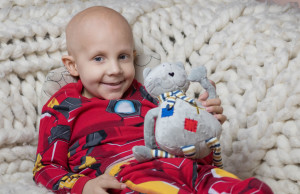
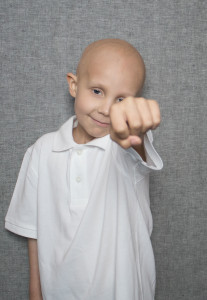
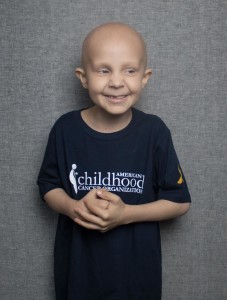
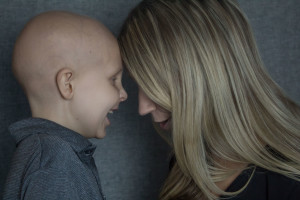
Beckham_022Meet Beckham, one of our ambassadors for the month of September. He is a goofy 8 year old currently being treated for Stage 4 Neuroblastoma at Memorial Sloan Kettering in New York City.  Beckham was diagnosed on September 11, 2013 at the age of 3. A few weeks prior to his diagnosis, Beckham was playing with his sister and they banged their heads together. This resulted in Beckham’s black eyes.  His mom remembers looking at pictures from that time and seeing his eyes starting to darken.
“I called the doctor and they said to watch it and call if things worsened. They went down and then started to darken. I ended up taking him in to his pediatrician and they drew labs. Later that day I got a call that Beckham’s labs were abnormal and that we had an appointment with oncology up at Primary Children’s Hospital in Salt Lake City,” his mom recalls.

Beckham_014At first, doctors didn’t think Beckham had cancer, they went through many diagnoses, everything from mono to anemia. The doctors were not convinced and decided to do a bone marrow biopsy which revealed that Beckham had tumors throughout his body and bone marrow.
beckhamTreatment was aggressive and as a result Beckham started chemotherapy. The doctors performed a resection of the main tumor and radiation to his skull in Utah which resulted in soft tissue tumors and bone marrow clearing well but the tumors in his bones had hardly changed. Beckham’s mom recalls going onto a Facebook group for Neuroblastoma and was urged to take him for a second opinion at Memorial Sloan Kettering. February 2014 was the first trip to NYC where Beckham received MIBG therapy, NK cell therapy, radiation, 3f8 antibioties, cryotherapy surgery, numerous rounds of chemotherapy and surgery to remove lymph nodes in his upper right underarm and chest.
Beckham_048Beckham has had two central lines and is on his third port. “He has endured four relapses, the most recent being March of 2018 and his doctors say he is a miracle boy.”
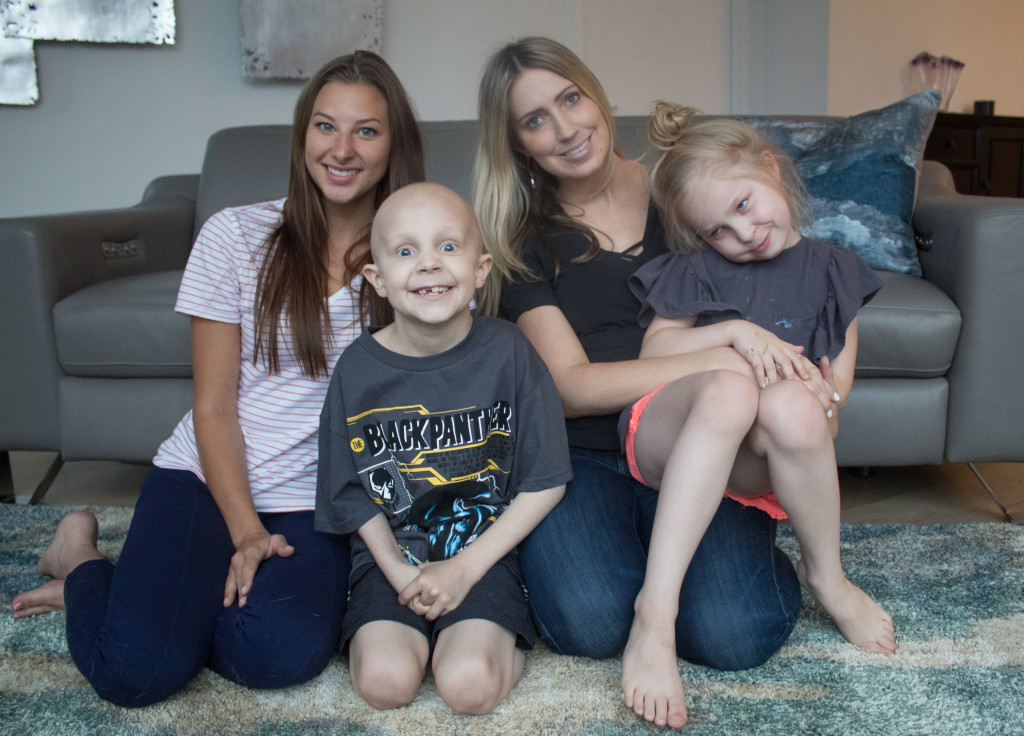
Fortunately, his latest scans show no evidence of disease. He is currently in treatment for an alk mutation which was found in his past two surgeries.  Beckham has a lot of personality and loves to make people laugh – we are looking forward to many laughs with Beckham!

Beckham is one strong little boy and an example of true perseverance. Beckham expresses to his mom that he is never giving up and his cancer is going down!


*Special thanks to our Candlelighters NYC Affiliate and Barbara Zobian*

Beckham_113

Beckham_066

Golden Ribbon Hero – Braeden

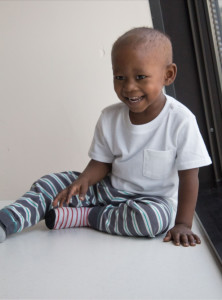
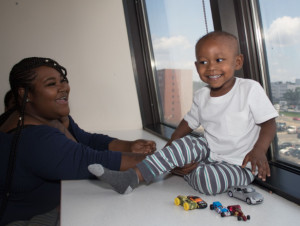
Brae 1Meet Braeden or “Brae” as his mom lovingly calls him. He’s a three year old,  fun-loving “ladies man” who is wise beyond his years. Brae’s mom, Kendra noticed in January of 2018 that he was whining a lot. She took him to get checked out several times and after being told he had pneumonia, the flu and even being tested for having swallowed a toy, doctors decided to do a biopsy on his back. Doctors took a sample of the mass they found in his lungs and the diagnosis was clear. “On May 5, 2018, Brae was diagnosed with AML leukemia with a genetic mutation of monosomy 7. We just found out about the monosomy 7. Basically that means that Brae has 45 chromosomes instead of 46 like everyone else.”

Kendra was faced with a tough decision when it came to Brae’s treatment plan; get a bone marrow transplant and face three rounds of chemo with a 30% chance of relapse, or five rounds of chemo with a 60% chance of relapse. Kendra ultimately decided against the transplant and is happy to report that after Brae’s first round of chemo, his bulky tumor is gone. Doctors have continued to treat Brae with four more chemo rounds.

Brae 2Fortunately, Braeden is facing treatment like a little soldier; the only side effect he has experienced was hair loss, which he doesn’t seem to mind. Kendra notes that everytime he goes into the hospital, the nurses fight to work with him and that he charms them. She said when Brae is at home, he loves to watch tv with his big brother and play outside. He’s particularly interested in art and loves to paint. When he goes to the hospital you can usually find him in the art room playing with the popsicle sticks and paint.
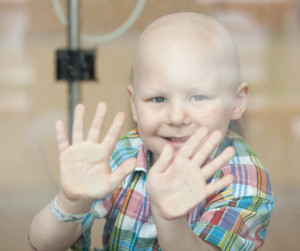
He mom happily informed us that he is currently ‘doing great’ after his fourth round of chemo. Through it all, Braeden is a positive and happy three year old.

After Treatment – Living as a Childhood Leukemia Survivor

Living as a Survivor of Childhood Leukemia

IMG_2271There are nearly 5,000 new diagnoses of childhood leukemia every year in the United States, making this so-called “rare” disease the most common type of childhood cancer. In fact, childhood leukemia currently accounts for almost one-third of all childhood cancer diagnoses. Thanks to amazing advances in the efficacy of today’s treatment protocols, the majority of children diagnosed with leukemia today can expect to make a full recovery. The 5-year survival rates for the two main forms of leukemia—Acute lymphocytic (lymphoblastic) leukemia (ALL) and Acute myelogenous leukemia (AML)—are greater than 85% and about 60-70% respectively.
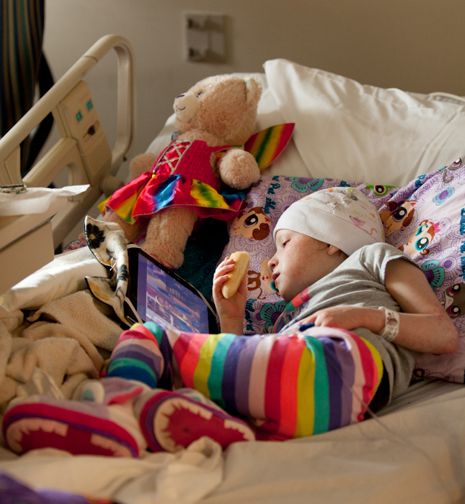

However, achieving remission and then joining the ranks of the “survivors” still requires that children undergo months, even years, of intensive chemotherapy. And despite the amazing advances in chemotherapy, it is still involves powerful drugs that can have serious and severe short- and long-term health risks. Indeed, one of the goals of researchers today is not only to ensure that no child dies of this dreaded disease, but also to find safer and less toxic treatment options. So while families are so focused on the short-term goal of survival, it is important to remain focused on both short- and long-term survivorship issues to help mitigate physical and emotional side effects.

Short Term Survivorship Issues

Perhaps the most critical step in monitoring and maintaining your child’s physical health during the first 2-5 years after treatment is ensuring that your child undergoes routine cancer screenings to watch for a relapse or recurrence of the cancer. These screenings are also useful for monitoring short- and long-term side effects of the chemotherapy. Although the schedule of screenings is different for each child, it usually consists of follow-up visits once a month or so for the first year after treatment, then decreasing in frequency after that. It is unusual for leukemia to return once a child has been cancer-free for 2 years or so, but most oncologists prefer to continue routine monitoring for at least five years.

While many parents are expecting concerns about their child’s physical health to predominate the immediate aftermath of treatment, most are surprised at the unexpected emotional and social issues that often arise after treatment. Challenges such as establishing a normal routine, going back to school, and reestablishing friendships and social connections often prove as difficult, or even more difficult, as the physical issues. Specific emotional issues vary depending on the age of the child and the duration of treatment, but luckily, most of these challenges are only temporary, and can be overcome with patience, encouragement, and lots of support from family, teachers, and even counsellors. Many cancer centers offer support services, in fact, to help families make this potentially difficult transition easier.

Long Term Survivorship Issues

In the long term, survivorship issues are usually focused on potential health concerns resulting from the toxicity of the chemotherapy treatments. Understanding the potential for long-term health problems is the first step to identifying and addressing these concerns as quickly as possible. The most common long-term health concerns among adult survivors of childhood leukemia include:

  • Secondary cancers: Chemotherapy has been linked to the development of other cancers in adulthood; for instance, treatment for ALL carries a small risk of developing AML as an adult.
  • Heart, lung, and bone problems: Some chemotherapy drugs can cause long-term damage to the heart and/or lungs, usually a higher risk for patients with ALL than AML. Steroid-based treatments have been linked to the development of osteoporosis.
  • Developmental delays/learning problems: Radiation therapy and some chemotherapy drugs have been linked to development delays in young children; therefore, most oncologists will try to avoid the use of radiation in young children whenever possible.
  • Growth delays: Some types of cancer treatments can impact a child’s natural growth.
  • Fertility concerns: Some chemotherapy drugs have been linked to problems related to sexual development and reproduction.

More about Childhood Leukemia Cancers:

Learn More About the Different Types of Childhood Cancers:

About American Childhood Cancer Organization

American Childhood Cancer Organization (ACCO) is a non-profit charity dedicated to helping kids with cancer and their families navigate the difficult journey from cancer diagnosis through survivorship. Internationally, ACCO is the sole U.S. member of Childhood Cancer International (CCI), the largest patient-support organization for childhood cancer in the world. Here in the United States, ACCO promotes the critical importance of ensuring continued funding into new and better treatment protocols for childhood cancer.  And most importantly, ACCO is focused on the children: developing and providing educational tools for children fighting cancer and their families, empowering them in their understanding of childhood cancer and the medical decisions they must make during this difficult journey. All of ACCO’s resources are available free of charge for families coping with childhood cancer.


For additional information about childhood cancer or on the ACCO, or to order resources for you or your child, please visit our website at www.acco.org , call 855.858.2226 or visit:

What is the expected lifespan of a child with leukemia?

Childhood leukemia is often pointed to as childhood cancer research’s success story. Just 60 years ago, almost no child with leukemia survived more than a few years, but today, thanks to new discoveries and advances in treatment, 90% of children with the most common type of leukemia will survive. That progress is certainly worth celebrating, but these statistics don’t tell the whole story. Let’s take a closer look at what these numbers really mean for children with leukemia.

What We Mean by “Survival”

When we talk about long-term survival for any childhood cancer, including leukemia, it is important to understand that oncologists and cancer researchers look at the five-year survival rate, or how many children remain cancer-free five years after the end of treatment. In general, children who are still cancer-free after five years are considered “cured” of the disease. 

Thanks to advances in treatment methods, the five-year survival rate for childhood leukemia has greatly improved over the past several decades. The five-year survival rate for acute lymphoblastic leukemia (ALL) is now 90%. The five-year survival rate for acute myelogenous leukemia (AML) is lower, at 60-70%. Moreover, the rates can vary greatly depending on subtype and other factors.

These numbers do not, however, provide a specific prognosis for any given child. They are only averages compiled from treated cases of childhood leukemia across the country. Your child’s prognosis and long-term outlook after treatment will be heavily dependent on your child’s diagnosis, response to treatment, and general health.

Prognosis Factors for Childhood Leukemia

Prognosis factors are a series of measurements that your child’s oncology team may use to estimate the degree of risk posed by the cancer and to determine the most promising treatment plan. There are several key prognosis factors that oncologists use when dealing with a leukemia diagnosis. In general, these prognosis factors are the same for ALL and AML, but they do not seem to play as great a role in either guiding treatment or predicting outcomes for AML.

  • Risk group: A cancer can be classified as standard risk, high risk, or very high risk. These groupings help determine the intensity of treatment and may impact long-term prognosis.
  • Age at diagnosis: For B- cell ALL, children between the ages of 1 and 9 seem to have a more positive prognosis than children under the age of 1 or over the age of 10. Age does not appear to be a prognosis factor in T-cell ALL and AML.
  • Initial white blood cell count: Very high white blood cell counts at diagnosis is generally considered high risk or very high risk.
  • Subtype: There are many subtypes of leukemia, and some tend to be less aggressive and more responsive to treatment than others. For example, children diagnosed with pre-B, common, or early pre-B-cell ALL seem to have a more positive prognosis than children with mature B-cell leukemia, although B-cell ALL can also have a more positive prognosis if treated with intensive chemotherapy.
  • Gender: In general, girls seem to have a slightly better prognosis than boys, though this gap has shrunk in recent years thanks to today’s advanced treatment options.
  • Race/ethnicity: African-American and Hispanic children may have a slightly worse prognosis than other ethnicities. 
  • Spread to other organs: If the leukemia has spread into the fluid around the brain and spinal cord, and the testicles in boys, it is usually classified as high-risk or very high-risk.
  • Number of chromosomes and chromosome translocations: Some studies have begun to link longer-term prognosis with the number of chromosomes within the leukemia cells, as well as with translocations between specific chromosomes (when part of a chromosome breaks off and attaches to another).
  • Response to treatment: The initial reduction of leukemia cells in the bone marrow during the first one to two weeks of chemotherapy may help determine long-term prognosis. If the leukemia does not respond as expected in this time frame, most oncologists will move to a more intensive treatment protocol.

Life for Childhood Leukemia Survivors

For several years after finishing treatment for leukemia, children will need to have regular exams to check for signs that the cancer has returned, as well as to monitor for side effects of treatment. Some side effects may appear during treatment or soon after the end, while others might not surface until adulthood.

Side effects of childhood leukemia treatment can include:

  • Social and emotional challenges
  • Developmental delays/learning problems
  • Growth delays
  • Secondary cancers
  • Heart, lung, and bone problems
  • Fertility problems

While all childhood leukemia survivors have a greater risk of developing certain health problems as a result of their treatment, most side effects can be managed with proper medical care. It’s important that, even as adults, survivors continue to have regular health checks and are upfront with their healthcare providers about their cancer history.

Kaydence’s Story: Surviving ALL

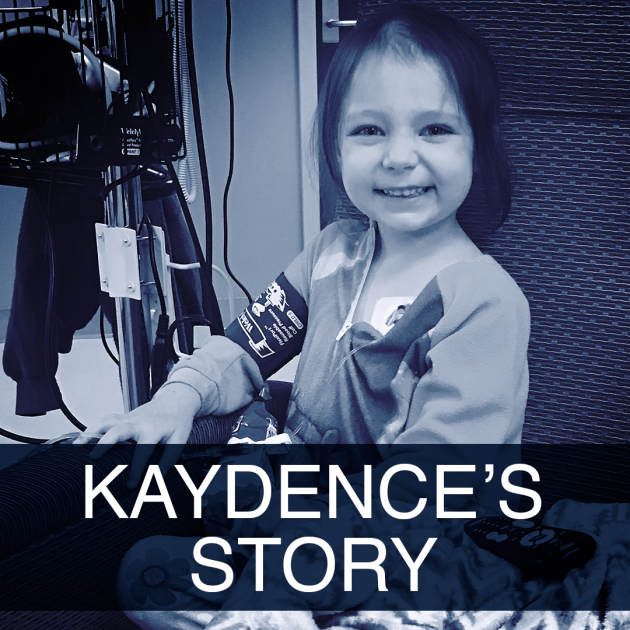
Kaydence is no ordinary 7-year-old. She’s a talented budding artist with a penchant for donkeys, and she’s a survivor of acute lymphoblastic leukemia.

There was nothing ordinary about Kaydence’s cancer journey, either. She was found to have two rare chromosome mutations that classified her cancer as very high risk, and when she didn’t respond to the initial treatment, her parents and treatment team decided to move forward with CAR T-cell immunotherapy, a novel treatment that trains the patient’s own immune cells to target and kill the cancer cells.

It wasn’t an easy road. She spent 10 days on life support fighting septic shock two weeks after diagnosis. She went into anaphylactic shock after her T-cell infusion. She had to re-learn how to stand, walk, use her hands and fingers, and go to the toilet. But despite all the setbacks, Kaydence’s treatment was successful. She has been in remission since March 2019. Her immune system is still suppressed, so she has to take extra precautions to make sure she doesn’t get sick, and her doctors continue to monitor her closely for side effects or any signs of her cancer returning. But for her part, Kaydence is enjoying being her 7-year-old self: painting and crafting, playing with her siblings, and just being a normal kid.

September is Leukemia and Lymphoma Awareness Month. Help kids like Kaydence by making a donation to the American Childhood Cancer Organization to honor their fight during Leukemia Awareness Month. Your gift helps provide educational resources and support programs for children with cancer, survivors, and their families, as well as raise awareness about childhood cancer and the need for more research.

Together, we can make a difference.

Donate today… because kids can’t fight cancer alone®.

Donate to ACCO

More about Childhood Leukemia Cancers:


Causes, Risk Factors, and Prevention of Childhood Leukemia Cancer

What Causes Childhood Leukemia?

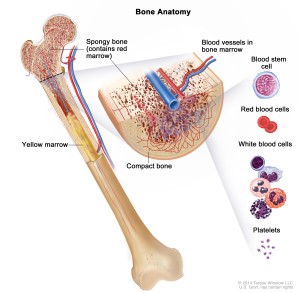
Causes Childhood Leukemia bonesBoth major types of childhood leukemia—Acute lymphocytic (lymphoblastic) leukemia (ALL) and Acute myelogenous leukemia (AML)—begin in the bone marrow, the soft inner part of the bone where new blood cells are created. As the leukemia cells accumulate inside the bone marrow, they overwhelm the healthy cells, eventually spreading into the blood stream. Thus, leukemia is a blood-based cancer, and must not be confused with other types of childhood cancers that start in other parts of the body and eventually spread into the bone marrow.
Why do some blood cells in children grow into abnormal leukemia cells? In other words, what causes childhood leukemia? Unfortunately, we cannot yet answer that question. We do know that childhood leukemia, like most other childhood cancers, is not caused by environmental or lifestyle factors. Absent these factors, scientists and researchers do not know what causes certain cells within a child’s bone marrow to begin growing and functioning abnormally.

Increasingly, scientists are beginning to believe that many childhood cancers, including leukemia, are linked to mutations—or random, uncontrolled alterations—to the DNA found within normal bone marrow cells. Leukemia may be connected to a specific type of DNA mutation controlling the genes responsible for ensuring that cells divide, grow, replicate, and die properly. Another potential cause of childhood leukemia may be a form of genetic mutation called chromosome translocation, where DNA from one chromosome breaks off and becomes attached to a different chromosome. Again, if this mutation affects oncogenes and/or tumor suppressor genes, it may lead to the development of childhood leukemia or other types of childhood cancer.

What are the risk factors for childhood leukemia?

If it is true that genetic mutations are responsible for most cases of childhood leukemia, it is important to note that these genetic mutations are usually the result of random and unpredictable changes and are not linked to any known or inherited risk. However, there are a few inherited conditions which may result in a higher risk factor for some rare cases of childhood leukemia, such as:

  • Inherited syndromes such as Down syndrome (trisomy 21) and Li-Fraumeni syndrome
  • Inherited immune system problems such as Ataxia-telangiectasia, Wiskott-Aldrich syndrome, Bloom syndrome, and Schwachman-Diamond syndrome
  • Having a sibling with leukemia, especially if the sibling is an identical twin

The one environmental factor that may pose an increased risk of childhood leukemia is exposure to extremely high levels of radiation (such as Japanese survivors of the 1945 atomic bombings). However, scientists are exploring any potential links between childhood leukemia and smaller dosages of radiation (like routine x-rays), as well as chemotherapy and exposure to toxic chemicals.

Can Childhood Leukemia Be Prevented?

Although we don’t yet know definitively what causes childhood cancer, we can say definitely that there is no way to prevent it, or as of right now, screen for it the way we can with many adult cancers. We can hope that as our understanding of the causes of leukemia and other childhood cancers improves, that knowledge brings with it a better understanding of how to detect the disease before it becomes the terrible threat that it poses today.

More about Childhood Leukemia Cancers:

Learn More About the Different Types of Childhood Cancers:

About American Childhood Cancer Organization

American Childhood Cancer Organization (ACCO) is a non-profit charity dedicated to helping kids with cancer and their families navigate the difficult journey from cancer diagnosis through survivorship. Internationally, ACCO is the sole U.S. member of Childhood Cancer International (CCI), the largest patient-support organization for childhood cancer in the world. Here in the United States, ACCO promotes the critical importance of ensuring continued funding into new and better treatment protocols for childhood cancer.  And most importantly, ACCO is focused on the children: developing and providing educational tools for children fighting cancer and their families, empowering them in their understanding of childhood cancer and the medical decisions they must make during this difficult journey. All of ACCO’s resources are available free of charge for families coping with childhood cancer. 

For additional information about childhood cancer or on the ACCO, or to order resources for you or your child, please visit our website at www.acco.org , call 855.858.2226 or visit:

What are the signs and symptoms of Childhood Leukemia Cancer?

About Childhood Leukemia Cancer

IMG_1986Leukemia is the most common form of childhood cancer today, accounting for nearly one-third of all childhood cancer diagnoses in the United States. A blood-based cancer that begins in the soft inner part of the bone called the bone marrow, childhood leukemia is classified into three different types. The most common type is Acute lymphocytic (lymphoblastic) leukemia (ALL), about 75% of all childhood leukemia diagnoses. ALL starts with abnormal cell growth among immature lymphocytes (white blood cells that help the body fight infection). About 25% of diagnoses are Acute myelogenous leukemia (AML), which begins with abnormal growth of myeloid cells (responsible for the growth of non-lymphocytic white blood cells, red blood cells, and platelets.) The third type of childhood leukemia—Juvenile myelomonocytic leukemia (JMML)—is extremely rare. Like AML, it develops in the myeloid cells and is acute (quickly growing) but it does not develop and spread as quickly as either AML or ALL.
What are the Symptoms of Childhood Leukemia?

The signs and symptoms of childhood leukemia generally do not begin to manifest until the abnormal cancer cells have spread from inside the bone marrow into the blood stream. Once inside the blood stream, the leukemia cells begin to crowd out healthy blood cells, while simultaneously traveling throughout the body and impacting the health and normal functioning of other organs. Therefore, the specific signs and symptoms of leukemia depend on the type of blood cell has been most impacted by the growth of the abnormal cells, and the impact of the cancer on other organs throughout the body.

If leukemia has caused a shortage of healthy red blood cells, symptoms may include:

  • Fatigue
  • Weakness
  • Shortness of breath
  • Unusually pale skin
  • Headaches
  • An unusual sensation of cold
  • Lightheadedness or dizziness

If leukemia has caused a shortage of healthy white blood cells:

White blood cells are the body’s primary defense against illnesses caused by both bacteria and viruses. Therefore, if your child has a shortage of healthy white blood cells, or if the presence of leukemia cells is preventing the white blood cells from functioning properly, your child may not be able to fight off infections and illnesses. Recurring infections or infections that won’t go away even with medical intervention may indicate the presence of leukemia. The main indicator of infection is usually fever.

If leukemia has caused a shortage of platelets, signs and symptoms can include:

  • Easy and frequent bruising
  • Easy and frequent bleeding
  • Frequent and/or severe nosebleeds
  • Bleeding gums

If the leukemia has spread from the blood stream into or near other organs, it can cause symptoms relating to the functioning of those organs, such as:

  • Joint and/or bone pain
  • Swollen lymph nodes
  • Swelling in the abdomen
  • Weight loss and/or loss of appetite
  • Coughing or trouble breathing
  • Headaches, seizures, vomiting, loss of balance, and blurred vision
  • Swelling of the face and arms, called SVC syndrome, is a potentially very serious symptom caused by the accumulation of cancer cells in the thymus
  • Symptoms specific to AML include skin rashes, gum problems (swelling, pain, and bleeding), extreme weakness, extreme tiredness, and slurring of speech

With the exception of the serious symptoms such as SVC syndrome and the extreme fatigue and weakness seen (albeit rarely) in patients with AML, you may notice that the symptoms of childhood leukemia listed here are also symptoms of many routine childhood illnesses. The fact is that childhood leukemia is a very rare disease. Just because you notice the presence of one or more of these symptoms does not mean that your child has leukemia. However, if you have any concerns—and especially if you feel the symptoms are not going away or are getting worse—it is important to share your concerns with your child’s pediatrician. In some cases, he or she may suggest additional diagnostic testing if he or she believes that the symptoms may be related to childhood leukemia.

More about Childhood Leukemia Cancers:

Learn More About the Different Types of Childhood Cancers:

About American Childhood Cancer Organization

American Childhood Cancer Organization (ACCO) is a non-profit charity dedicated to helping kids with cancer and their families navigate the difficult journey from cancer diagnosis through survivorship. Internationally, ACCO is the sole U.S. member of Childhood Cancer International (CCI), the largest patient-support organization for childhood cancer in the world. Here in the United States, ACCO promotes the critical importance of ensuring continued funding into new and better treatment protocols for childhood cancer.  And most importantly, ACCO is focused on the children: developing and providing educational tools for children fighting cancer and their families, empowering them in their understanding of childhood cancer and the medical decisions they must make during this difficult journey. All of ACCO’s resources are available free of charge for families coping with childhood cancer.


For additional information about childhood cancer or on the ACCO, or to order resources for you or your child, please visit our website at www.acco.org , call 855.858.2226 or visit:

After Treatment—Living as a Childhood Neuroblastoma Cancer Survivor

Living as a Childhood Neuroblastoma Survivor

IMG_2186Treatment for neuroblastoma can be long, difficult, and traumatic, not only for the patient but also for friends and family. Once treatment has ended and your child has been declared “cancer free”, it is very common for everyone—patient and family alike—to look forward to returning to “normal life.” And for the most part, it is possible to get back to a life that doesn’t revolve around childhood cancer. At the same time, however, it is important to recognize that childhood cancer has both short- and long-term consequences—both physical and emotional—that can continue to impact your child’s return to cancer-free normalcy.
Experts agree that the first step in facing life as a neuroblastoma survivor is working with your child’s oncology team to develop a comprehensive survivorship care plan. Such a plan can act as a checklist to help you ensure your child’s short- and long-term health, both physical and emotional, as well as smooth the transition back into a normal cancer-free life. Although the basic outline of any survivorship care plan is fairly standard, your child’s specific plan will be unique to him or her, depending on the characteristics of your child’s cancer and its treatment, as well as your child’s general health.

Your Child’s Survivorship Care Plan

Follow-up exams and tests

One of the most common concerns among parents and families of childhood cancer survivors is, will the cancer return? As of right now, scientists do not believe that there are any steps a parent or child can do after treatment has concluded to reduce the potential for recurrence. Parents can, however, develop—and then stick to—a scheduled plan of follow-up tests and scans. Depending on your child’s risk grouping, size and location of the original tumor, and other factors, tests will probably include both lab work and imaging tests such as PET scans, CT scans, and/or MRIs. As time goes on without recurrence, the time between tests will increase, and eventually the focus may switch to early detection screenings that focus on long-term health effects and/or secondary cancers.

Maintain complete and accurate medical records

As your child begins life as a childhood cancer survivor, it is important to remember that neuroblastoma will impact your child’s life for years to come. Therefore, it is critical to maintain accurate and complete medical records of your child’s entire cancer journey, from first diagnosis through treatment and including post-treatment screenings. Should your child experience health concerns later in life, future physicians will need to know this part of your child’s medical history in detail in order to develop a correct and comprehensive treatment plan.

Possible short- and long-term health effects of neuroblastoma and its treatment

Neuroblastoma and its treatment can, unfortunately, have long-term health effects, often called “late effects.” These may stem from the cancer itself, or from the treatment required to fight the neuroblastoma. Some late effects may present during or immediately after treatment; some may not begin until years later. Some of the most common late effects of neuroblastoma include:

  • Hearing loss
  • Bone and/or musculature problems (such as scoliosis)
  • Thyroid problems
  • Growth and development concerns
  • Fertility problems
  • Neurological concerns
  • Secondary cancers
  • Opsoclonus myoclonus syndrome (a very rare syndrome in which the body’s immune system begins to attack normal nerve tissue, causing learning disabilities, delayed muscle development, language delays, and behavioral problems)
  • Problems with the eyes or with muscle twitches (common in children with tumors located in the neck or chest, may require further treatment with corticosteroids or IVIG)

Emotional and social concerns

In the eagerness to return to “normalcy”, it can be all-too-easy to overlook the emotional stress that childhood cancer puts on both the child and his or her family, emotional stress that can continue to linger once treatment is complete. For older children, returning to school and social activities can prove more challenging than many families anticipate. Many cancer treatment centers can provide access to social workers and counsellors who can help families recognize and cope with the emotional strain of childhood cancer and its treatment.

More about Childhood Neuroblastoma Cancers:

Learn More About the Different Types of Childhood Cancers:

About American Childhood Cancer Organization

American Childhood Cancer Organization (ACCO) is a non-profit charity dedicated to helping kids with cancer and their families navigate the difficult journey from cancer diagnosis through survivorship. Internationally, ACCO is the sole U.S. member of Childhood Cancer International (CCI), the largest patient-support organization for childhood cancer in the world. Here in the United States, ACCO promotes the critical importance of ensuring continued funding into new and better treatment protocols for childhood cancer.  And most importantly, ACCO is focused on the children: developing and providing educational tools for children fighting cancer and their families, empowering them in their understanding of childhood cancer and the medical decisions they must make during this difficult journey. All of ACCO’s resources are available free of charge for families coping with childhood cancer.

For additional information about childhood cancer or on the ACCO, or to order resources for you or your child, please visit our website at www.acco.org , call 855.858.2226 or visit:

About Childhood Leukemia, Detection and Diagnosis

Childhood Leukemia

i-Czgv5NRNearly one-third of all children and teens with cancer are diagnosed with childhood leukemia, making this form of childhood cancer by far the most common. Childhood leukemia is a cancer of the blood. It begins in the bone marrow, the soft interior of the bones responsible for the development of new blood cells. Leukemia cells in the bone marrow replicate more quickly than healthy cells, and do not die at the proper time, and eventually begin to crowd out healthy cells. As this happens, the cancerous cells enter the blood stream and quickly move around the body. As the leukemia cells invade other organs, they begin to impact the ability of those organs to function normally.
There are two main types of acute childhood leukemia: ALL and AML:

  • Acute lymphocytic (lymphoblastic) leukemia (ALL): ALL is the most common form of childhood leukemia, accounting for approximately 75% of leukemia diagnoses. ALL develops from immature lymphocytes, which when healthy grow into white blood cells responsible for fighting infections and bacteria. Most ALL cases involve B cells, the lymphocytes responsible for making the antibodies that the body uses to fight viruses; however, some cases of ALL originate in T cells, which are responsible for fighting infection themselves.
  • Acute myelogenous leukemia (AML): Approximately 25% of childhood leukemia cases are AML, also known as acute myeloid leukemia, acute myelocytic leukemia, or acute non-lymphocytic leukemia. AML originates in myeloid cells that are responsible for developing non-lymphocytic white blood cells, red blood cells, and platelets.

Juvenile myelomonocytic leukemia (JMML) is a very rare type of childhood leukemia that is usually diagnosed in children under the age of 4. Like AML, it originates in myeloid cells, but develops much more slowly than AML (yet still grows more rapidly than chronic leukemia common in adults). Chronic (slow-growing) leukemias such as chronic myelogenous leukemia (CML) and chronic lymphocytic leukemia (CLL) are extremely rare in children.

Detection and Diagnosis of Childhood Leukemia

Children are usually diagnosed with childhood leukemia once it has entered the blood stream and spread to other parts of the body, leading to visible symptoms of illness as the leukemia cells prevent the normal functioning of various organs. The most common symptoms of childhood leukemia are fatigue, headaches, paleness, fever, and infection. Of course, these are similar to symptoms of many routine childhood ailments; however, your child’s pediatrician may recognize them as potential warning signs of leukemia if they persist, reoccur frequently, and/or gradually worsen over time despite treatment. Easy bruising and bleeding is also a potential symptom of leukemia.

Should your child’s pediatrician believe that leukemia may be the source of your child’s symptoms, he or she will recommend a blood test, which can indicate the potential presence of leukemia cells in the blood. The blood test will determine how many cells of each type (red blood cells, white blood cells, and platelets) are present in your child’s blood. An abnormally high level of white blood cells and a corresponding low level of red blood cells and platelets may indicate leukemia. A technician will also examine the blood sample under a microscope to look for abnormalities in the blood cells themselves.

Should this blood test indicate the potential presence of leukemia in your child’s blood stream, your child will be referred to an oncologist for full diagnostic testing. The first step in a leukemia diagnosis is a bone marrow aspiration and biopsy. This test is done to determine if leukemia cells are present in the bone marrow itself. Usually performed together, a bone marrow aspiration involves removing a small amount of bone marrow through a syringe inserted through the bone via a thin, hollow needle. Then, using a slightly larger needle, a small piece of the bone together with some marrow is removed. The biopsy involves examining the bone and the marrow samples under a microscope to detect the presence of leukemia cells.

If your child is diagnosed with leukemia, his or her oncology team will begin a series of additional tests and scans in order to classify and stage the leukemia. These tests will help the oncologists determine the appropriate method of treatment. These additional tests may include:

  • Lumbar puncture (otherwise known as a spinal tap) in order to determine if there are leukemia cells in the cerebrospinal fluid
  • Chest x-ray: to detect the potential for an enlarged thymus or lymph nodes, as well as to determine if there is any pneumonia and/or lung infection
  • CT scan or MRI: to detect the presence of leukemia in other organs such as the lymph nodes, spleen, liver, brain, and/or spinal cord
  • PET scan: may be helpful in determining the extent to which leukemia cells have spread throughout the body

More about Childhood Leukemia Cancers:

Learn More About the Different Types of Childhood Cancers:

About American Childhood Cancer Organization


American Childhood Cancer Organization (ACCO) is a non-profit charity dedicated to helping kids with cancer and their families navigate the difficult journey from cancer diagnosis through survivorship. Internationally, ACCO is the sole U.S. member of Childhood Cancer International (CCI), the largest patient-support organization for childhood cancer in the world. Here in the United States, ACCO promotes the critical importance of ensuring continued funding into new and better treatment protocols for childhood cancer.  And most importantly, ACCO is focused on the children: developing and providing educational tools for children fighting cancer and their families, empowering them in their understanding of childhood cancer and the medical decisions they must make during this difficult journey. All of ACCO’s resources are available free of charge for families coping with childhood cancer.


For additional information about childhood cancer or on ACCO, or to order resources for you or your child, please visit our website at www.acco.org.

For additional information about childhood cancer or on the ACCO, or to order resources for you or your child, please visit our website at www.acco.org , call 855.858.2226 or visit:

What is the expected life span of Childhood Neuroblastoma Cancer


Statistics on Five-Year Survival Rates for Children with Neuroblastoma

IMG_2275Any discussion of prognosis or outlook is usually based on five-year survival rates, or the percentage of children with a specific type of cancer who live at least five years after their initial diagnosis. These numbers are based on studies performed at least five years ago, and so may not reflect improvement in treatment options for some types of cancers. Moreover, these numbers are merely averages and do not indicate the outlook or prognosis for your specific child. Your child’s oncologist will be able to give you a better understanding of your child’s unique case based on his or her type of cancer, age, general health, and response to treatment.
Staging and Prognosis Factors for Neuroblastoma

Five-year survival rates for neuroblastoma are based on a complex system that involves a detailed understanding of the stage of the disease at diagnosis and a series of “prognosis factors”. Currently, statistics on survival rates for neuroblastoma are maintained by the Children’s Oncology Group (COG), which classifies all cases of neuroblastoma into three risk groups: low risk, intermediate risk, and high risk. These risk grouping are based the disease’s stage and prognosis factors.

Staging: There are two different methodologies to determine the stage of disease, or how far the disease has spread beyond the site of the original tumor:

  • INRGSS: International Neuroblastoma Risk Group Staging System utilizes the results of imaging tests such CT, MRI, or MIBG scans and can be determined before treatment has begun.
  • INSS: International Neuroblastoma Staging System assesses staging after surgery to remove the tumor is performed.

Prognosis factors: these are certain markers that can indicate whether a specific neuroblastoma may respond better or worse to treatment, and can impact a child’s long-term outlook. Specific prognosis factors used to help assign risk for neuroblastoma are:

  • Age: children under 12-18 months tend to have a better long-term outlook than older children
  • Tumor histology: when examined under a microscope, tumors that contain more normal-looking cells tend to have a better prognosis (favorable histology v. unfavorable histology)
  • DNA ploidy: in young children, neuroblastoma cells that contain the same amount of DNA as normal cells (a DNA index of 1, or diploid) seem to respond less favorably to treatment than those that have an increased amount of DNA (a DNA index greater than 1, or hyperdiploid).
  • MYCN gene amplifications: neuroblastomas with too many copies of the MYCN oncogene (a gene that helps regulate cell growth and division) seem to grow more quickly and respond less well to treatment.
  • Chromosome changes: scientists are just now beginning to understand how the presence or lack thereof of certain chromosomes with the DNA structure of the cells can impact the prognosis for neuroblastoma.
  • Neurotrophin (nerve growth factor) receptors: Neurotrophin is a chemical that helps nerve cells mature. Neuroblastomas that have more neurotrophin receptors, especially those receptors called TrkA, are associated with a better long-term outlook.

Five-Year Survival Rates by Risk Group (COG Risk Groupings)

Low Risk: Children whose neuroblastoma is considered “low risk” have a five-year survival rate that is higher than 95%. The low risk group incorporates children who fall into the following categories:

  • All Stage 1 diagnoses
  • Stage 2A or 2B and under 1 year of age
  • Stage 2A or 2B, older than 1 year of age, with 0 extra copies of the MYCN gene
  • Stage 2A or 2B, older than 1 year of age, with extra copies of the MYCN gene and a favorable histology
  • Stage 4S with favorable histology, hyperdiploid, and no extra copies of the MYCN gene

Intermediate Risk: Children whose neuroblastoma is considered “intermediate risk” have a five-year survival rate of 90-95%. The intermediate risk group incorporates children who fall into the following categories:

  • Stage 3, under 1 year of age, no extra copies of the MYCN gene
  • Stage 3, greater than 1 year of age, no extra copies of the MYCN gene and a favorable histology
  • Stage 4, under 1 year of age, no extra copies of the MYCN gene
  • Stage 4S, no extra copies of the MYCN gene and has normal DNA ploidy and/or has an unfavorable histology

High Risk: Children whose neuroblastoma is high risk have a five-year survival rate of 40-50%.

  • Stage 2A or 2B, over 1 year old, with extra copies of the MYCN gene and an unfavorable histology
  • Stage 3, under a year old, with extra copies of the MYCN gene
  • Stage 3, over a year old, with extra copies of the MYCN gene
  • Stage 3 and over 18 months old, with an unfavorable histology
  • Stage 4 with extra copies of the MYCN gene
  • Stage 4 and over 18 months old
  • Stage 4, between 12 and 18 months old, with extra copies of the MYCN gene, unfavorable histology, and/or a DNA index of 1
  • Stage 4S with extra copies of the MYCN gene

Request for free resources here.

resourcebutton2More about Childhood Neuroblastoma Cancers:

Learn More About the Different Types of Childhood Cancers:

The Childhood Cancer STAR Act Has Been Signed!

BREAKING NEWS!
THE CHILDHOOD CANCER STAR ACT HAS BEEN SIGNED!

Yesterday, June 5th 2018, as a result of your action and the collaboration of many childhood cancer advocates across the country, the Childhood Cancer STAR (Survivorship, Treatment, Access and Research) Act became law. The President signed the bill at 5:15 PM EST this Tuesday!
Thank you for taking action to transform childhood cancer into a national child health priority. Please like and share the great news of this historical day in the fight against childhood cancer!

WE STILL NEED YOUR HELP!

TAKE ACTION

WHAT’S NEXT?

The ACCO (American Childhood Cancer Organization), with our partners at the Alliance for Childhood Cancer and all of you in the childhood cancer community, have collaborated and worked diligently for nearly three years to see this law finally passed!


It’s not over though! We need to continue to ask our legislators to fund the STAR Act for each of the next five years! We will continue to need your support by sharing, taking action through our advocacy platform and by reaching out to your representatives to make this a reality!


How to Help:

  1. Click this link to Take Action and Thank your Members of Congress – CLICK HERE
  2. Tweet your members of Congress by finding their Twitter Handle and thanking them – CLICK HERE
  3. As a member of the ACCO, share your voice! Comment or share on our Facebook Page – CLICK HERE
  4. Donate to the ACCO to help us advocate for families and children facing a diagnosis of childhood cancer today – DONATE
  5. Visit Our “Advocacy” Section on Our Website for More Information – CLICK HERE