
Gold Ribbon Hero: Damon

Gold Ribbon Hero: Damon

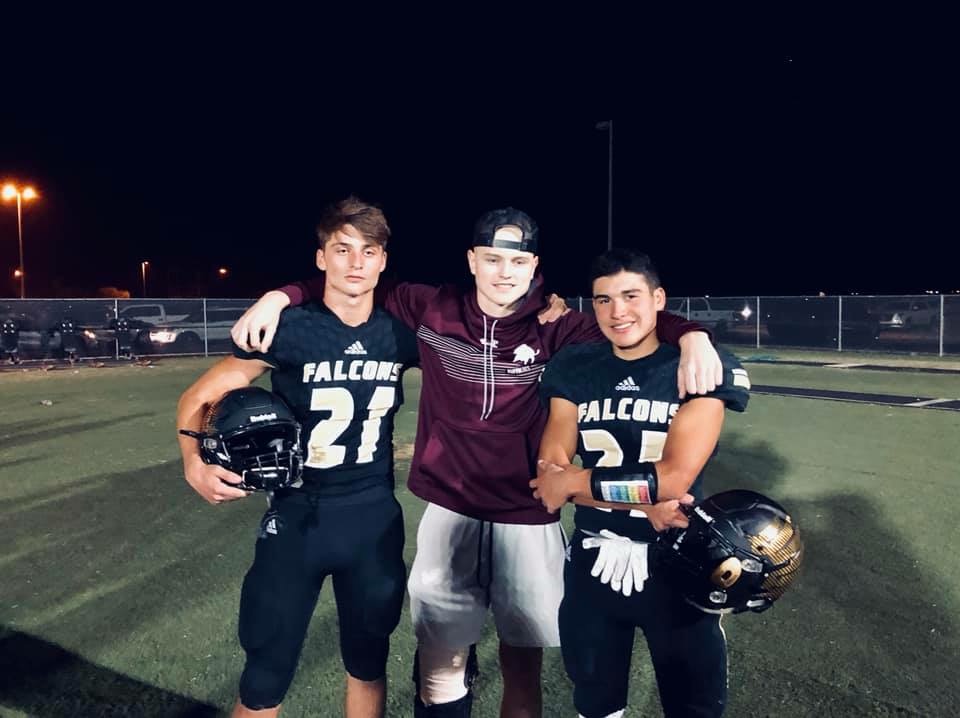
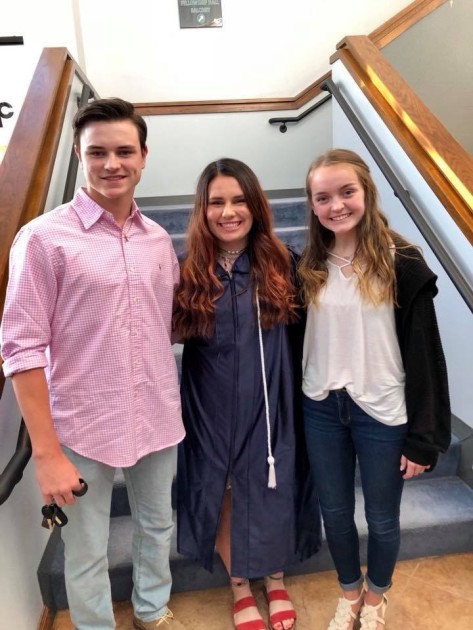
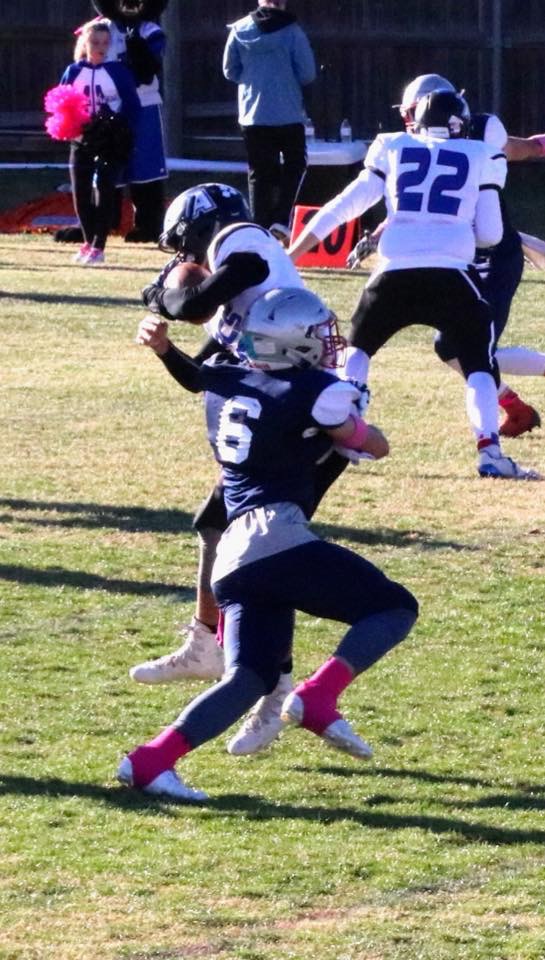
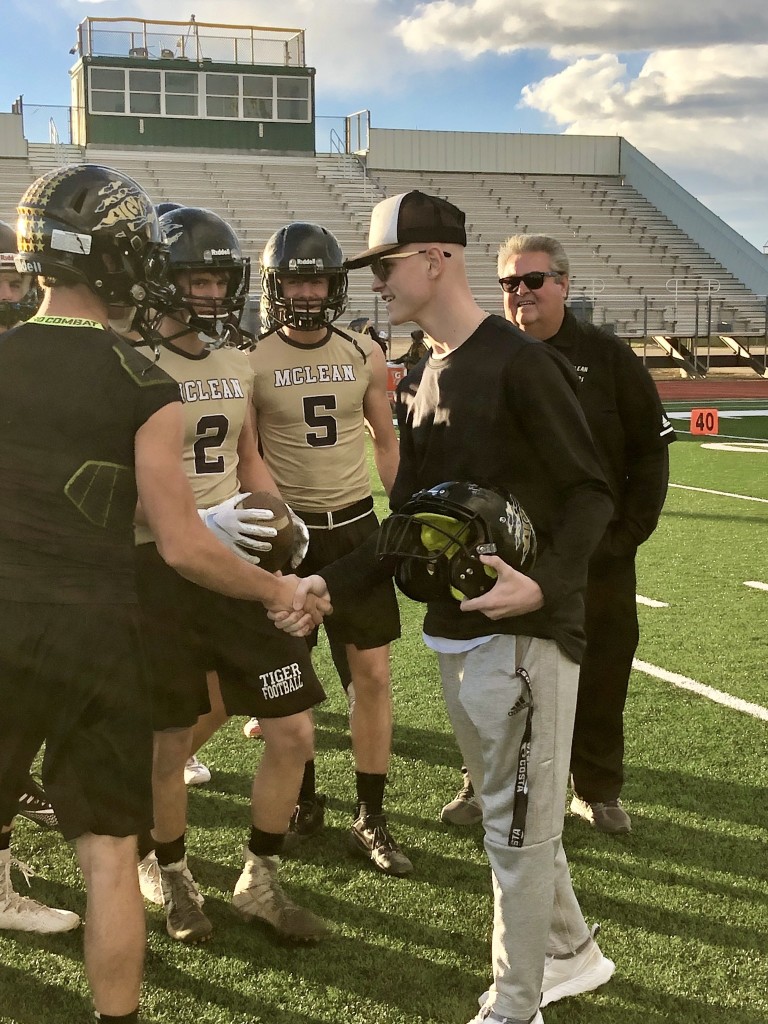
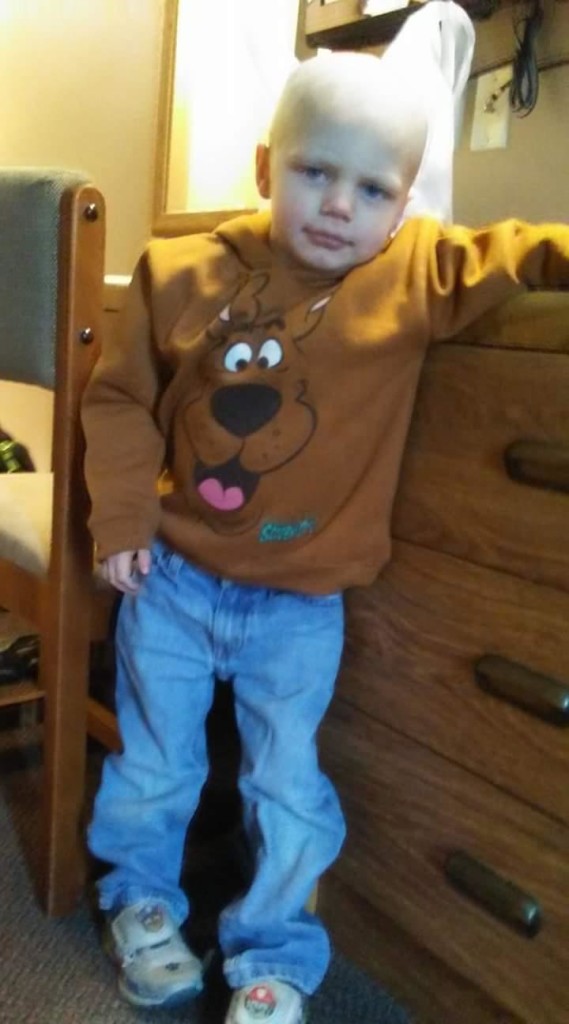
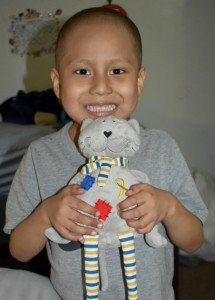
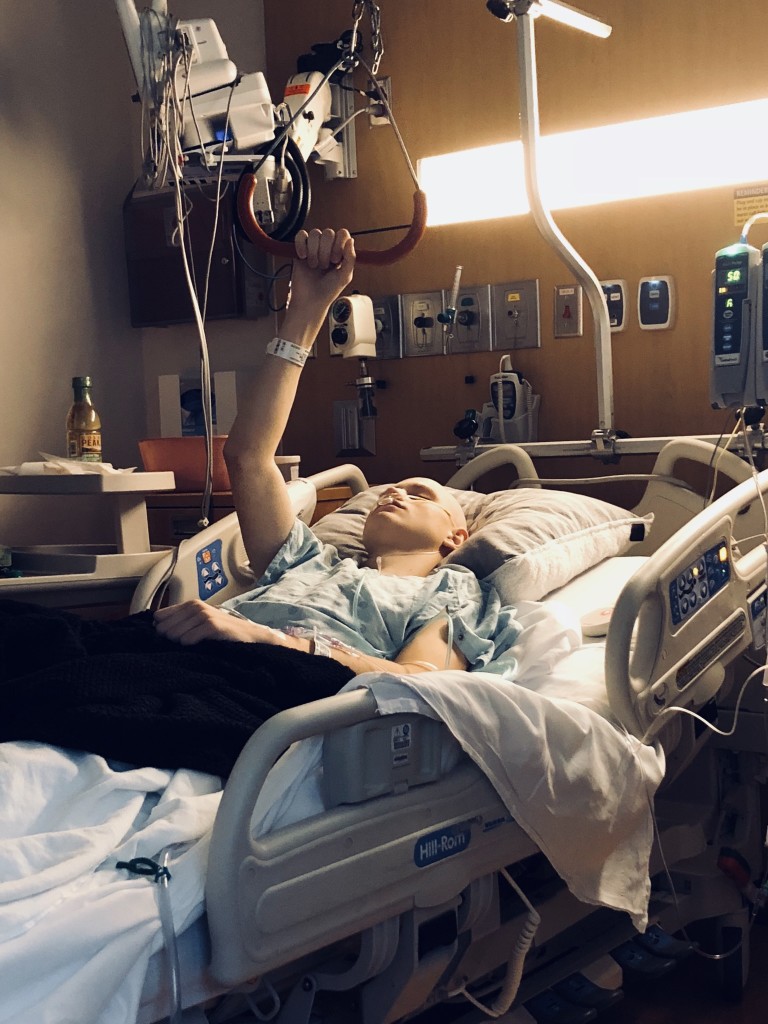
Meet Damon, a 16-year-old warrior with a love of sports. During November 2017, Damon took a hit to his left knee. His knee was swollen but he continued to play through the season despite the pain. Two days before Thanksgiving, the Sooter family was told that Damon needed an MRI to assess a benign tumor that they found. They found that the tumor was taking up 55% of his distal femur and they removed it in December of 2017. 7EDBDDC3-1BD8-46C3-A4F3-7302858EE68C
13E13CFB-9DC4-49D0-BA18-64A53F35318CBaseball season started in March of 2018 and Damon came home one day after practice saying that his right knee felt like his left one previously. They didn’t really think anything of it – so Damon finished out the baseball season the best he could.  Damon’s mother, Tiffiney said, “for a minute the world stopped and went dark. It was Damon’s 16th birthday. It was something that we were somewhat prepared for thanks in part to our spor

ts doctor. On May 2, 2018, everything went downhill from there. We live in a small town, everyone knows everyone and the radiologist calls the doctor panicking.”

“It was my sweet 16th. I had played a baseball game that day. I talked to my parents, then went to eat with my teammates. When I got home my parents took me in the garage and sat me down to tell me I had Osteosarcoma. It is rough but I knew I had to start working through it.” Damon’s tumor matched his left knee almost perfectly. The tumor was considered small, at just the size of a lemon when first detected. An aggressive treatment plan was scheduled almost immediately with 29 weeks of chemo at a high dose. 2CCEA2C2-CF87-4C6C-8A73-B34802A81A03

Damon knew that the beginning of treatment meant that he would lose his hair. He told his friends and family that he would be shaving his head. In June 2018, his friends and family decided to show up and stand alongside him to shave their heads in solidarity. Damon was in awe of what had happened, “it was awesome, I didn’t ask any of them to do it. They chose to do it. It was amazing.”AA35A551-DC7D-4E35-B664-45093A48705E

In August 2018, Damon’s doctor performed an internal prosthetic surgery to replace the bones around his knee joint. For a normal patient, the recovery should be 12 days. Damon made it his mission to leave within five days.  Damon’s doctor credits his quick rehabilitation to his active lifestyle.

Throughout his cancer journey, Damon has remained positive. He often says “we’re lucky, lots of kids are worse off than I am, and the little ones that don’t understand or can’t really explain what they’re feeling, it’s horrible.” Damon is currently cancer free and January 1, 2019, he ends chemotherapy treatment.EA6BBDC2-5220-4E3A-9B87-1132798E8C35

For more information about osteosarcoma please visit: https://www.acco.org/bone-cancer/

To donate: https://www.acco.org/donate/


Life as a Survivor of a Childhood Brain Tumor or Spinal Cord Tumor

After Treatment 

IMG_2186The central nervous system—including the brain and the spinal cord—grows and develops very quickly during childhood. This rapid rate of growth and development can make treating a brain and/or spinal cord tumor in children especially complicated for several reasons. First, the growth of the tumor can more easily damage the rapidly-changing tissues of the central nervous system (CNS). Second, the tissues of the CNS are extremely sensitive to the potentially damaging impact of chemotherapy, radiation, and other tools required to eliminate the tumor. These two issues are especially concerning when discussing survivorship issues for childhood brain and spinal cord tumors, and may have repercussions well into adulthood.

Generally speaking, most parents and guardians of children with a brain or spinal cord tumor have two main questions as they begin to look at their child’s life as a childhood cancer survivor:

  • Will the tumor return?
  • How do we cope with the effects of the tumor and its treatment?

Will the Brain Tumor Return: Developing A Survivorship Care Plan

Once your child’s treatment is complete and your child has been declared “cancer free”, most families are eager to return to “normal life”. Yet this sense of well-being and even excitement can be undermined by concerns about whether the tumor will return. The best way to alleviate these concerns—and enable yourself to enjoy a cancer-free life with your family—is to develop A Survivorship Care Plan. This Care Plan will carefully detail all the necessary follow-up scans and tests needed to monitor your child for any possible return of the tumor, as well as detect and manage potential late effects.

Although many families note an increased level of anxiety around follow-up visits, it is important to stick to the schedule of follow-up visits and exams as dictated by your child’s oncology team. These visits will likely include imaging tests such as CT scans or MRIs, physical exams, blood work and other tests to monitor your child’s short- and long-term recovery and watch closely for signs that the tumor may be re-growing. Your child’s specific schedule of follow-up testing will depend heavily on the type and location of the tumor and the type and duration of treatment; for instance, children who underwent radiation may require routine scans and follow-up visits for many years after treatment because of the elevated risk for secondary cancers.

Coping with the Effects of the Tumor and Its Treatment

Both the tumor and the treatment required to fight the tumor can have significant physical, emotional, and mental side effects, depending on the type of tumor and where, and how big, it grew before treatment. Some of these side effects may be very obvious, some may be much more subtle; some side effects may appear immediately, while others may not occur until years after treatment. Once your child has been declared cancer-free, your medical team will work together to determine the extent of damage to the brain and central nervous system and to analyze the potential effects of that damage.

Coping with the potential side effects from a brain or spinal cord tumor will likely fall outside the qualifications of your child’s oncologist and require the services of one or more specialists who can help mitigate and hopefully overcome any damage caused by the tumor and its treatment. Examples of specialists include:

  • Neurologist: A specialist in the central nervous system who can help identify and manage side effects relating to physical coordination, muscle strength, and seizures.
  • Ophthalmologist: A specialist in eye problems for handling any issues relating to vision.
  • Audiologist: A specialist who can address any issues relating to hearing.
  • A speech therapist: A speech therapist can address any issues your child may be experiencing with talking and communicating.
  • Physical and/or occupational therapists: Experts who can provide physical therapy to overcome muscle weakness, paralysis, or difficulty walking, balancing, and other movement-related concerns.

  • Psychiatrist or psychologist: A mental-health professional can be extremely helpful in diagnosing and documenting developmental concerns, especially relating to general intelligence, speech and hearing, memory, learning skills, and special educational needs.
  • Endocrinologist: An expert in hormone disorders who can help side effects relating to growth, hormone imbalances, and future reproductive issues. This type of specialist will be especially important for children with a tumor in or near the brain stem (at the base of the brain) or near the pituitary gland.

More about Childhood Spinal Cord Tumor Cancers:

Learn More About the Different Types of Childhood Cancers:

More about Childhood Brain Tumor Cancers:

Learn More About the Different Types of Childhood Cancers:

About American Childhood Cancer Organization

American Childhood Cancer Organization (ACCO) is a non-profit charity dedicated to helping kids with cancer and their families navigate the difficult journey from cancer diagnosis through survivorship. Internationally, ACCO is the sole U.S. member of Childhood Cancer International (CCI), the largest patient-support organization for childhood cancer in the world. Here in the United States, ACCO promotes the critical importance of ensuring continued funding into new and better treatment protocols for childhood cancer.  And most importantly, ACCO is focused on the children: developing and providing educational tools for children fighting cancer and their families, empowering them in their understanding of childhood cancer and the medical decisions they must make during this difficult journey. All of ACCO’s resources are available free of charge for families coping with childhood cancer.


For additional information about childhood cancer or on the ACCO, or to order resources for you or your child, please visit our website at www.acco.org , call 855.858.2226 or visit:

Gold Ribbon Hero: Kirby

0-2
Meet Kirby: a tenacious 4-year-old who BEAT cancer! ACCO initially met his mom, Sonnie, when she commented on an Instagram post. Forging a relationship with Sonnie meant that we got a peek into her life with Kirby and his brother (Aaron) and his sister (Mattea).

Kirby was diagnosed with Non-Hodgkin’s Burkitt’s Lymphoma in July 2017. He was losing weight, not sleeping, and was in major pain according to his mom. “Every day his mobility declined while his doctors ignored our concern and sent us home,” she shared.

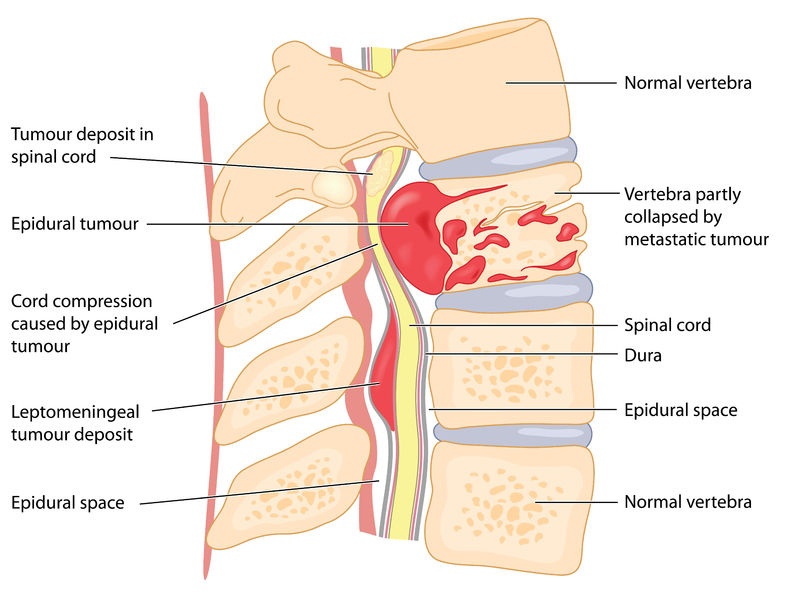
0 copyBy August, Kirby was completely paralyzed from the waist down. The doctors wouldn’t listen. Kirby’s parents decided to take matters into their own hands and took Kirby to a larger hospital to go through more tests. After a tearful meeting with one doctor expressing she didn’t know what was wrong with Kirby, they ordered an MRI. Moments after the MRI was read, the doctor told Sonnie, “we found out what is wrong with your son, he has tumors on his spine and they are spreading. It’s cancer. We need to get him on an airplane on our way to Children’s Hospital.” By noon, the family was on an airplane to Children’s Hospital of Colorado – a home to the Sargent family for the next six months.

“Going through treatment was more than I expected. We were lucky enough to be able to stay in Brent’s Place in Aurora, Colorado. They provided everything from a tote of groceries to a place to stay and everything in between. One day, our car broke down on the way to chemo and they helped us to get to treatment at the hospital. The sense of community at the hospital and Brent’s Place was astounding.”

kirbyincape

The doctors found out that Kirby had cancer within his abdomen, hip, kidney and it was smothering his spine and spinal cord. They told Sonnie that he would survive but he would be wheelchair-bound for the rest of his life. As a result of cancer, Kirby has major nerve damage to his bowels, bladder, and mobility. He has no feeling of his legs, feet or toes.

Kirby and his family were visiting a local park this fall and he told his mom he was going to walk. He ended up taking a few steps with his brother and sister and hasn’t looked back since.

At 4 years old, Kirby can proudly say that he successfully beat cancer! He is walking and has not used his wheelchair for over three months. He was able to run the Butte, Montana Relay for Life as their youngest survivor. With the aid of braces, his dog and siblings, he is able to spread awareness and enjoy life. He is still in weekly doctor’s appointments and medical needs but he is getting used to the new normal.

0-8

On Halloween, Kirby wore his Go Gold cape with his Captain America costume. Kirby’s brother’s school asked Kirby to walk in their parade and he proudly strutted his stuff while clapping and high fiving the attendees. Since being declared “NED” he’s been able to stay out and trick or treat and even go out on a family dinner.

For more information on Non-Hodgkin’s Burkitt’s Lymphoma, please visit: https://www.acco.org/childhood-lymphomas/

For free resources for your child:
https://www.tfaforms.com/4699752


Together, we can make a difference.
Donate today because kids can’t fight cancer alone
®.

Donate to ACCO

About American Childhood Cancer Organization

The American Childhood Cancer Organization was founded in 1970 by parents of children and adolescents diagnosed with cancer. As the nation’s oldest and largest grassroots organization dedicated to childhood cancer, ACCO is committed to shaping policy, supporting research, raising awareness, and providing free educational resources to kids with cancer, survivors, and their families. Additionally, ACCO is the sole U.S. member of Childhood Cancer International (CCI) and has helped support more than half a million families over the past 50 years. Help make childhood cancer a national health priority because kids can’t fight cancer alone®

For more information about how ACCO can help your family, call 855.858.2226 or visit:

What is the expected life span of Childhood Brain Tumor Cancer?

Brain tumors

“What is my child’s prognosis?” This seemingly simple but critical question is often among the first that parents will ask their child’s oncologist after hearing that their child has been diagnosed with cancer. Yet while the question may be simple, answering it can be extremely complicated. In general terms, oncologists can provide statistics relating to 5-year survival rates for many different types of brain tumors in children. These general statistics, however, cannot predict an outcome for any one child. Each child’s individual prognosis will depend on the unique circumstances of their tumor and its response to treatment.

What is a 5-year survival rate and why doesn’t it tell the whole story? The 5-year survival rate refers to the percentage of children who live at least five years after they have been diagnosed with a brain tumor. As a simple statistic, it can provide some basic information about our ability to treat many different types of brain tumors. However, as with all “simple statistics”, it has three significant limitations:

  • It only takes into account children who were treated at least five years ago. It does not take into account significant improvements in today’s treatment options.
  • It can indicate prognosis for a particular class of brain tumors, but does not show differences in prognosis rates for specific tumor types.
  • It does not account for each child’s unique diagnosis and key prognosis factors so, as noted above, it cannot predict an outcome for any one child.

IMG_2106What are the key prognosis factors for childhood brain tumors?

As noted above, while five-year survival rates can be useful in general terms, each child’s prognosis will depend heavily on a unique assessment of her or her prognosis factors. These factors will impact the treatment approach and help determine your child’s potential for long-term survivorship.

Key prognosis factors for childhood brain tumors include:

  • The type of tumor
  • The grade of the tumor, or how quickly it is likely to grow
  • The size of the tumor
  • The location of the tumor
  • Whether the tumor can be removed completely with surgery (if at all)
  • Whether the tumorous cells have particular gene mutations
  • Whether the tumor has spread to other parts of the brain or spinal cord via the cerebrospinal fluid
  • Whether tumorous cells have spread beyond the central nervous system
  • The child’s age
  • The child’s functional abilities as impacted by the brain tumor

Unlike many other forms of cancer, brain tumors rarely spread to areas of the body outside the central nervous system. Instead, brain tumors can be life-threatening because of the damage they can inflict on the delicate and highly critical tissues of the brain and spinal cord. For this reason, doctors do not use two prognosis factors commonly used when discussing other types of childhood cancers: benign v. malignant and “staging”.

Five-Year Survival Rates for Common Types of Brain Tumors in Children

Based on information from the Central Brain Tumor Registry of the United States (covering children treated between 1995 and 2010), we can provide five-year survival rates for some of the most common types of brain tumors diagnosed in children. As noted above, however, it is important to remember that these statistics do not accurately represent the chances of long-term survival for any one specific child.

  • Philocytic astrocytoma: 95%
  • Oligodendroglioma: 90% – 95%
  • Fibrillary (diffuse) astrocytoma: 80% – 85%
  • Ependymoma (including anaplastic ependymoma: 75%
  • PNETs (including medullablastoma and pineoblastoma): 60% – 65%
  • Anaplastic astrocytoma: 30%
  • Glioblastoma: 20%

More about Childhood Brain Tumor Cancers:

Learn More About the Different Types of Childhood Cancers:

About American Childhood Cancer Organization

American Childhood Cancer Organization (ACCO) is a non-profit charity dedicated to helping kids with cancer and their families navigate the difficult journey from cancer diagnosis through survivorship. Internationally, ACCO is the sole U.S. member of Childhood Cancer International (CCI), the largest patient-support organization for childhood cancer in the world. Here in the United States, ACCO promotes the critical importance of ensuring continued funding into new and better treatment protocols for childhood cancer.  And most importantly, ACCO is focused on the children: developing and providing educational tools for children fighting cancer and their families, empowering them in their understanding of childhood cancer and the medical decisions they must make during this difficult journey. All of ACCO’s resources are available free of charge for families coping with childhood cancer.


For additional information about childhood cancer or on the ACCO, or to order resources for you or your child, please visit our website at www.acco.org , call 855.858.2226 or visit:

What are the Signs and Symptoms of Brain Tumors in Children?

Brain Tumors

What are the Signs and Symptoms of Brain Tumors in ChildrenWhen classed together in a single grouping, cancers in the brain and spinal cord are the second most common type of childhood cancer after leukemia. Brain and spinal cord tumors account for about 25% of all childhood cancer diagnoses, with more than 4,000 new cases diagnosed every year in the United States. In reality, however, it can be difficult to discuss “brain tumors” in general terms: oncologists recognize at least nine different sub-classifications of brain tumors in children, such as brain stem gliomas and ependymomas for example, with still more sub-groupings within those broad classifications.

Moreover, it is important to note at the outset that a variety of factors can impact both the initial indicators of the tumor’s presence, as well as the appropriate course of treatment, factors such as: the tumor’s location in the brain, the size of the tumor, how quickly the tumor is growing, and for treatment purposes, whether the tumor can be removed surgically. Interestingly enough, the one distinction that oncologists do not make regarding brain tumors in children is whether the tumor is benign (non-cancerous) or malignant (cancerous). Because brain tumors occur in such a vital and sensitive area of the body, both types of tumors can be life-threatening.

Keeping those caveats in mind, what are the signs and symptoms of brain tumors in children? In many children, symptoms begin to show slowly over time as the tumor grows and begins to press on specific areas of the brain. This increase in intracranial pressure can lead to general health concerns such as:

  • Headaches
  • Nausea and vomiting
  • Crossed eyes and/or blurred vision
  • Balance problems
  • Behavioral changes
  • Drowsiness, potentially leading to coma

Of course, many of these concerns are symptoms of common childhood illness and may not be related to a tumor. However, should these symptoms persist and/or worsen over time, your pediatrician may recommend a visit to a neurologist or oncologist to conduct diagnostic testing.

One potential symptom—seizures—can develop both rapidly and unexpectedly. Should your child begin experiencing seizures, it is important to seek medical help immediately from a neurologist who can help determine if a tumor is causing the seizures.

In very young children, some additional symptoms of a brain tumor may include:

  • Loss of appetite
  • Irritability
  • Developmental delays or a decline in intellectual and/or physical abilities
  • An increase in head size, especially if accompanied by unusual cranial bulging

In older children, guardians and teachers may notice unusual fatigue, personality changes, or a decline in performance or attitude at school.

In addition to these generalized symptoms, children may exhibit more specific symptoms relating to the location of the tumor within the brain. For instance:

  • Cerebrum (large, outer part of the brain): may cause weakness or numbness in a specific part of the body, usually only on one side; speech or comprehension problems; concerns about thinking, personality, and language skills; issues with vision.
  • Cerebellum: may cause problems with walking or other routine bodily functions
  • Basal ganglia: may cause unusual or abnormal body positions or movements
  • Cranial nerves (not located in the cerebrum): may cause loss of hearing, problems with balance, weakness of facial muscles, or trouble swallowing

Again, it is important to note that brain tumors in children are extremely rare and even if you notice your child exhibiting one or more of these symptoms, it does not necessarily mean that your child has a brain tumor. These symptoms can be caused by a wide range of different medical issues. However, it is important that you speak to your pediatrician about your concerns. He or she will refer you to the appropriate specialist in order to ensure that your child gets an accurate diagnosis and treatment as quickly as possible.

More about Childhood Brain Tumor Cancers:

Learn More About the Different Types of Childhood Cancers:

About American Childhood Cancer Organization

American Childhood Cancer Organization (ACCO) is a non-profit charity dedicated to helping kids with cancer and their families navigate the difficult journey from cancer diagnosis through survivorship. Internationally, ACCO is the sole U.S. member of Childhood Cancer International (CCI), the largest patient-support organization for childhood cancer in the world. Here in the United States, ACCO promotes the critical importance of ensuring continued funding into new and better treatment protocols for childhood cancer.  And most importantly, ACCO is focused on the children: developing and providing educational tools for children fighting cancer and their families, empowering them in their understanding of childhood cancer and the medical decisions they must make during this difficult journey. All of ACCO’s resources are available free of charge for families coping with childhood cancer.


For additional information about childhood cancer or on ACCO, or to order resources for you or your child, please visit our website at www.acco.org.


For additional information about childhood cancer or on the ACCO, or to order resources for you or your child, please visit our website at www.acco.org , call 855.858.2226 or visit:

Gold Ribbon Hero: Grace

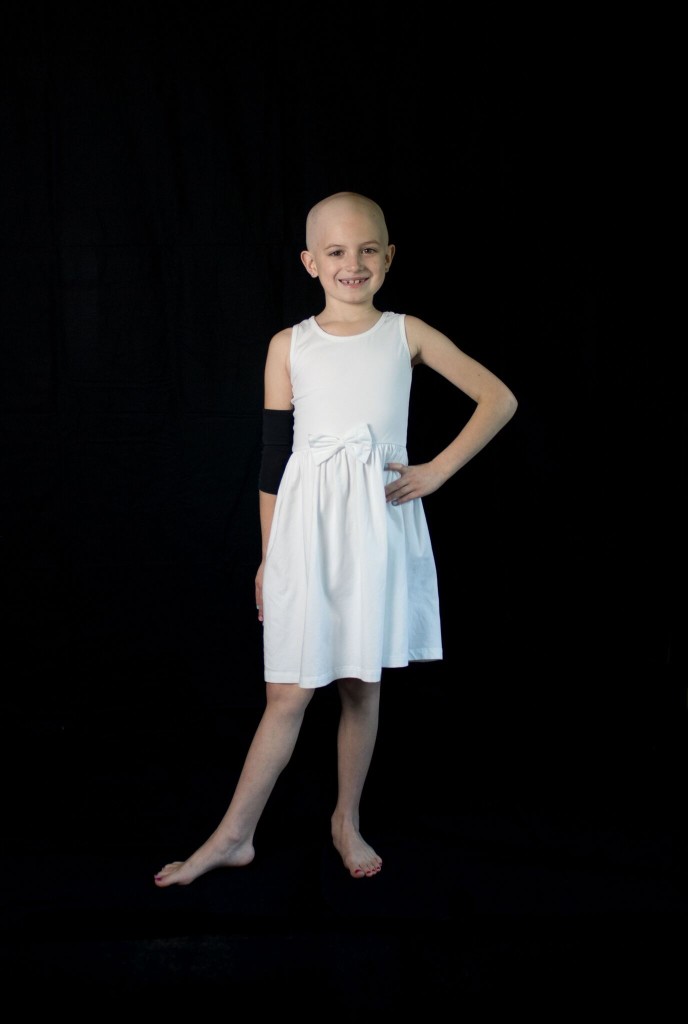
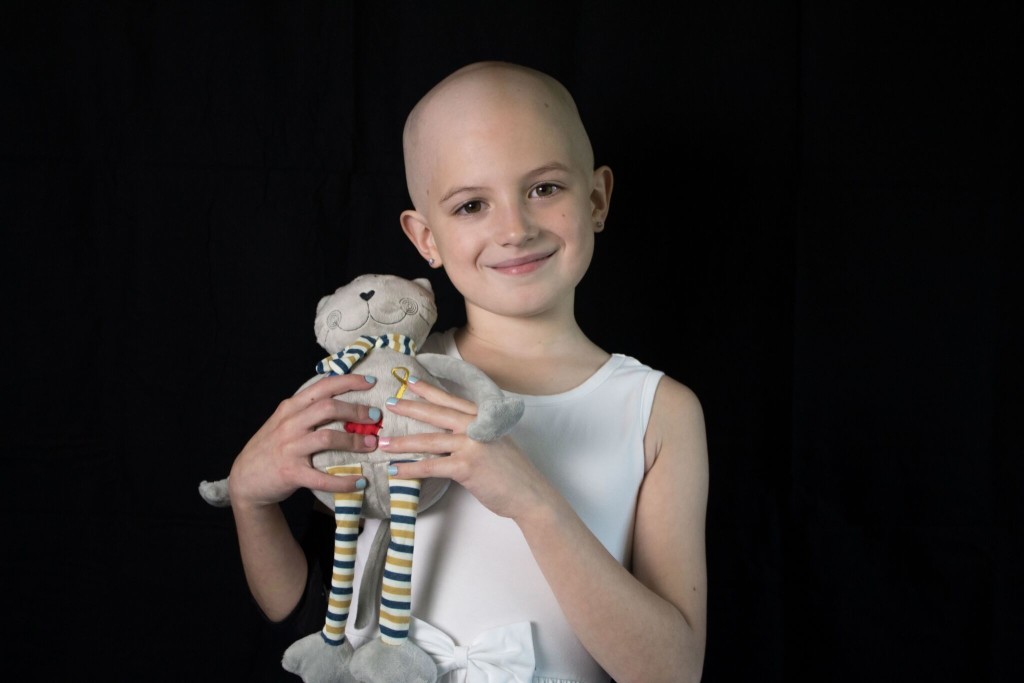
Meet Grace – a sweet and spirited 9 year old and one of our Ambassadors for Childhood Cancer Awareness Month. Grace is a generous and giving individual with a passion to help others and brighten their days. She is strong and courageous, even when things might not be easy.

accograce
Grace is a typical 9-year-old, she loves gymnastics, softball, riding her bike, reading, painting and swimming. She also loves playing with her friends. This little warrior exudes good vibes and positive energy 24/7. For every birthday, Grace requested that in lieu of gifts, money should be donated to St. Jude Children’s Research Hospital. Little did she know, she might be the recipient of services from them in the future.grace2

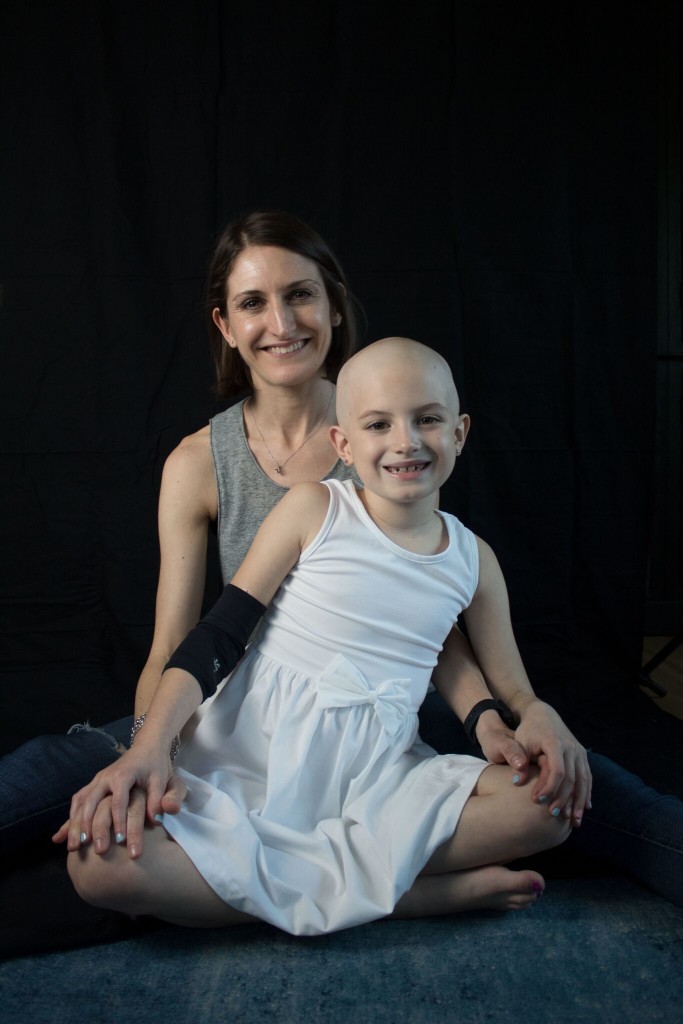
Aubrey, Grace’s mom, said “Grace was always the tallest in her class, and then one day she wasn’t. She was drinking a lot of water, so it warranted a closer look. A proactive pediatrician and endocrinologist ordered a brain MRI which resulted in the detection of a mass around Grace’s pituitary gland dangerously close to her optic nerves.”  The initial tumor was detected on April 9, 2018 and over the next few weeks, Grace endured scans at the neurosurgeons office. After discussing things with the doctor at length, Grace decided she wanted to be a doctor. She had more tests, scans and plenty of needles and laid still for each of them. She got through all of the tests by listening to songs on her playlist and smiling as best she could. Grace even comforted her queasy mother and support team.

Grace was diagnosed with Germinoma brain cancer, a germ cell brain tumor, on May 2, 2018. Her aggressive treatment began on May 9, 2018 and she just finished the radiation portion of treatment. As of today, there is no evidence of a tumor and Grace will undergo blood tests, MRIs and spinal taps for the next few months to monitor the success of the chemo.

graceandmomGrace loves to be crafty; she made a sign for the children to sign and date which says “Last Day of Chemo.” Throughout her treatment, she decided to paint pictures to brighten the nurses and the children’s days. When losing her hair became a reality, Grace decided to throw a party and shave her head. Grace’s brother and her best friend joined her in shaving their heads as well.

According to Grace’s mom, “The hardest thing in the process has been missing school. She is one of ‘those kids’ that is passionate about being in school. She video conferences in as much as she can and keeps up on all her projects, even the ones for her future’s gifted program. She rallied a huge team for a fundraiser walk for her hospital and came in second place overall for fundraising. She was the first place for largest team.”

Grace is determined to help people and is currently making a plan of how she will continue helping other kids with cancer. She enjoys tagrace1lking to people about this part of her journey and is focused on helping others. Grace plans on learning more about oncology. She is excited for the future and can’t wait for her hair to start growing back!

*Special thanks to Barbara Zobian and the Candlelighters NYC*


Causes, Risk Factors, and Prevention of Childhood Brain Tumor Cancer

Why do some children develop brain tumors?

Why do some children develop brain tumorsAny time a child is diagnosed with a brain tumor or other type of cancer, the most obvious question many parents ask is “why”. What caused this child to develop a brain tumor? Unfortunately, there is no easy answer to this question. Scientists now believe that the vast majority of brain tumors in children are the result of random gene mutations but have no satisfying answer as to why a particular gene mutation occurred or why it led to the growth of a brain tumor.

Whether benign or malignant, a tumor grows when certain cells grow, divide, and replicate more quickly than normal cells and/or they do not die when they are aged or damaged. These abnormal cells then begin to build up in the brain, forming clumps or a mass, and eventually growing large enough to press on or cause damage to the healthy brain tissue.

So why do some cells grow, function, and die normally, while others grow abnormally and develop into a brain tumor? Scientists currently believe that these abnormal cells are the result of mutations (random changes) within the DNA in each cell. Mutations in oncogenes inhibit when cells grow and divide properly, while mutations in tumor suppressor genes prevent cells from slowing their rate of replication and prevent them from dying at the proper time. Because mutations are a natural part of the lifecycle of our cells—occurring frequently as our cells grow and divide over time—preventing or predicting these mutations is currently impossible.

What are the risk factors for brain tumors in children?

A “risk factor” is anything that increases a child’s risk of developing a brain tumor. As stated above, scientists believe that the vast majority of cases of childhood brain tumors are caused by random gene mutations. Gene mutations are a natural part of human biology and usually do not have a specific or identifiable cause. Therefore, there are very few known risk factors linked to the development of brain tumors in children, with two notable exceptions. Those are:

  • Radiation exposure: Exposure to large amounts of radiation has been linked to several types of cancer, including brain tumors in children. While low-level radiation exposure is an accepted aspect of today’s medical care (x-rays, for instance, for dental treatment or to diagnose a broken bone), the medical community goes to great lengths to protect children from high dosages of radiation exposure.

However, radiation therapy has proven to be an effective tool when fighting some types of cancer. While most oncologists will limit or avoid altogether the use of radiation when treating very young children, in some cases, the benefits of treating the immediate threat posed by cancer must be weighed against the potential risk of developing a brain tumor or other secondary cancer in the future.

  • Inherited genetic conditions: In a very small number of cases (less than 5%), children have an inherited genetic condition that might potentially increase the risk of developing a brain tumor. Although these conditions themselves are very, very rare, some have been linked to an elevated risk for brain tumors:
  • Neurofibromatosis type 1 (von Recklinghausen disease)
  • Neurofibromatosis type 2
  • Von Hippel-Lindau disease
  • Tuberous sclerosis
  • Gorlin syndrome (basal cell nevus syndrome)
  • Li-Fraumeni syndrome
  • Turcot syndrome
  • Hereditary retinoblastoma
  • Cowden syndrome
  • Rubinstein-Taybi syndrome


Can we do anything to prevent a brain tumor?

Unfortunately, all too many parents—after hearing that their child has been diagnosed with a brain tumor—feel an overwhelming sense of guilt. Many wonder whether this diagnosis is somehow their fault, or whether they might have been able to do something to prevent this diagnosis. However, any oncologist will assure these parents that there is absolutely nothing they could have done to prevent their child from developing a brain tumor. Brain tumors in children are not believed to be linked to any environmental factors or lifestyle choices (with the notable exception of radiation exposure noted above); instead, they are most likely the result of random and uncontrollable gene mutations.

More about Childhood Brain Tumor Cancers:

Learn More About the Different Types of Childhood Cancers:

About American Childhood Cancer Organization

American Childhood Cancer Organization (ACCO) is a non-profit charity dedicated to helping kids with cancer and their families navigate the difficult journey from cancer diagnosis through survivorship. Internationally, ACCO is the sole U.S. member of Childhood Cancer International (CCI), the largest patient-support organization for childhood cancer in the world. Here in the United States, ACCO promotes the critical importance of ensuring continued funding into new and better treatment protocols for childhood cancer.  And most importantly, ACCO is focused on the children: developing and providing educational tools for children fighting cancer and their families, empowering them in their understanding of childhood cancer and the medical decisions they must make during this difficult journey. All of ACCO’s resources are available free of charge for families coping with childhood cancer.


For additional information about childhood cancer or on the ACCO, or to order resources for you or your child, please visit our website at www.acco.org , call 855.858.2226 or visit:

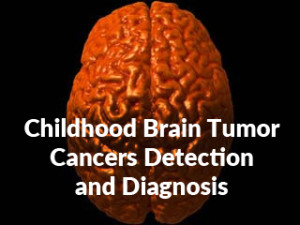
Childhood Brain Tumor Cancers – Detection and Diagnosis
About Childhood Brain Tumors

Childhood Brain Tumor Cancers Detection DiagnosisAfter leukemia, brain tumors (including spinal cord tumors) are the second-most common type of cancer in children, accounting for about 25% of all childhood cancer diagnoses. Brain tumors begin within the delicate and complicated tissues of the brain or the cerebrospinal fluid (as well as the spinal cord or central nervous system, as these tumors are usually classed with brain tumors in children). When dealing with brain tumors in children, oncologists rarely differentiate between benign (non-cancerous) or malignant (cancerous) tumors; all tumors in the brain can be life-threatening whether technically cancerous or not. Instead, oncologists usually focus on how fast the tumor is growing, how quickly or easily it may spread throughout the brain or spinal cord, and how easy the tumor is to remove completely.

Types of brain tumors “common” in children include:

  • Gliomas: a general term for a group of tumors that begin in the supporting cells of the brain. Gliomas account for about 50% of all brain and spinal cord tumors in children. Examples include astrocytomas, oligodendrogliomas, ependymomas, optic gliomas, and brain stem gliomas. Brain stem gliomas themselves account for about 10-20% of all brain tumors in children. Because they often grow diffusely throughout the brain stem, “diffuse midline gliomas” (such as diffuse intrinsic pontine gliomas, or DIPGs) remain very difficult to treat.
  • Embryonal tumors: accounting for about 10-20% of all brain tumors in children, embryonal tumors usually begin in the earliest forms of nerve cells and therefore are more common in younger children. The most common type is medulloblastoma, but other forms of embryonal tumors include medulloepithelioma, atypical teratoid/rhabdoid tumor, and embryonal tumor with multilayered rosettes.
  • Pineal tumors: these tumors begin in a small gland in the middle of the brain—the pineal gland—and are very difficult to treat. The most common type of pineal tumors are pineoblastomas.
  • Craniopharyngiomas: about 4% of all brain tumors in children are these slow-growing tumors which begin between the pituitary gland and the brain itself. Because they often press on the pituitary gland, the hypothalamus, and/or the optic nerves, they can be very difficult to remove without impacting the child’s vision and/or hormone balance.
  • Mixed glial and neuronal tumors: these types of tumors, including dysembryoplastic neuroepithelial tumors and gangliogliomas, are generally slow-growing and have a fairly good prognosis when treated with surgery and potentially radiation.

Childhood Brain Tumors: Detection and Diagnosis

Unfortunately, as with all childhood cancers, there is no way to “detect” a brain tumor without formal diagnostic testing. In most cases, detection and diagnosis happens only after parents, guardians, teachers, or others close to the child start observing unusual medical symptoms such as frequent headaches, nausea and vomiting, vision problems, balance problems, or seizures. Because many of these symptoms are commonplace, a pediatrician may only suspect a tumor if symptoms continue over time or worsen, or in the case of seizures appear very suddenly.

Should your child’s pediatrician suspect the presence of a brain tumor, he or she will recommend a visit to a specialist, who will conduct a series of diagnostic tests to determine if a brain tumor is present. The first diagnostic test is almost always an imaging test, usually an MRI. Using a combination of radio waves and strong magnets, an MRI can create a series of detailed images of the brain without involving radiation (which is extremely damaging to the delicate brain tissue of children, especially young children).

While an MRI or other imaging test can indicate the presence of a tumor or other abnormality, a final diagnosis usually must be made through a biopsy. A biopsy involves removing some or all of the tumorous tissue and examining it under a microscope. In some cases, a biopsy may be done simultaneously with surgery to remove the entire tumor, or it may involving only removing a piece in order to determine the appropriate course of treatment. However, in some cases, the tumor may be located in such a sensitive or difficult-to-reach area of the brain, that a physical biopsy is not possible; in these cases, diagnosis must be made on the results of imaging tests.

Once the biopsy has confirmed the presence of tumor and identified its type and grade, your child’s oncology team will work with you to determine the best course of treatment for your child.

More about Childhood Brain Tumor Cancers:

Learn More About the Different Types of Childhood Cancers:

About American Childhood Cancer Organization

American Childhood Cancer Organization (ACCO) is a non-profit charity dedicated to helping kids with cancer and their families navigate the difficult journey from cancer diagnosis through survivorship. Internationally, ACCO is the sole U.S. member of Childhood Cancer International (CCI), the largest patient-support organization for childhood cancer in the world. Here in the United States, ACCO promotes the critical importance of ensuring continued funding into new and better treatment protocols for childhood cancer.  And most importantly, ACCO is focused on the children: developing and providing educational tools for children fighting cancer and their families, empowering them in their understanding of childhood cancer and the medical decisions they must make during this difficult journey. All of ACCO’s resources are available free of charge for families coping with childhood cancer.


For additional information about childhood cancer or on the ACCO, or to order resources for you or your child, please visit our website at www.acco.org , call 855.858.2226 or visit:
Gold Ribbon Hero – Pedro

PedroMeet Pedro, a 5-year-old warrior turning 6 this December. Pedro is one of three children in the Curiel family and is suffering from T Cell Acute Lymphoblastic leukemia (ALL). He is receiving delayed intensification treatments in California with his mom and siblings by his side.
“The past seven months have been the most aggressive chemo then he will go to maintenance where every other week he will receive chemo and eventually getting oral chemo which is not as intense,” his mom, Vilma notes. Vilma said that he’s had muscular stiffness from the new chemo which made him unable to walk and he did not want to get out of bed.  “I think this is the most scary part of treatment. After 24 hours he started limping and getting back to his usual routine.”

pedro 2When he’s not receiving treatment, he is found drawing treasure maps around the house. Vilma said that he loves to draw these maps and hide his “treasure” and have his two brothers go find it! He started homeschooling in August, and he can now read a full sentence. He is expected to return to school after flu season.  

Pedro is currently in remission and maintenance will continue for the next three years.  


American Childhood Cancer Organization Applauds World Health Organization’s New Global Childhood Cancer Initiative

FOR IMMEDIATE RELEASE – September 28, 2018 – Washington, D.C. – The American Childhood Cancer Organization (ACCO), the soleU.S. member of Childhood Cancer International (CCI) provided its overwhelming support today for the World Health Organization’s (WHO) 0announcement of its new global initiative to address the disparity between childhood cancer survival in low-middle versus high-income countries. The announcement came at the United Nations (UN) General Assembly’s side-meeting on childhood cancer which was organized by the Missions of the Republic of Uzbekistan, the Hashemite Kingdom of Jordan, El Salvador, the Republic of Moldova, the Kingdom of Morocco, the Republic of Philippines and the Russian Federation.

Funded through a generous donation from St. Jude Children’s Research Hospital, the WHO Global Initiative for Childhood Cancer partners with national and international *stakeholders including CCI to provide leadership and technical assistance to support governments in building and sustaining high-quality childhood cancer programs.

Each year, more than 300,000 children ages birth to 19 years are diagnosed with cancer around the world. Approximately 8 in 10 of these children live in low and middle-income countries where their survival rate is often near 20%. This is in stark contrast to high-income countries, where cure rates exceed 80% for many common childhood cancers.Screen Shot 2018-09-26 at 3.15.41 PM

How urgent is this global initiative? “Childhood cancer is the number one non-communicable disease (NCD) cause of death in children globally,” said Ruth Hoffman, ACCO’s Chief Executive Officer, and President of Childhood Cancer International. “Childhood cancer has no borders. Why should childhood cancer treatments and cures? Even in the U.S. the majority of children with cancer continue to be treated with old drugs that were developed in the 1950’s, ‘60’s and 70’s. These drugs cost very little yet are too often unavailable to the majority of children with cancer in the world who happen to live in low to middle income countries. With increased access to essential childhood cancer medicines and radiation, children can be cured of their disease regardless of where they live in the world.” Ms. Hoffman will continue to represent the voice of the families of children with cancer as a member of the WHO Global Initiative for Childhood Cancer.

Screen Shot 2018-09-26 at 12.20.18 PM

  • Increase political commitment and capacity of countries to deliver best practices in childhood cancer diagnosis and treatment;
  • Support governments to develop high-quality cancer centers as well as develop standards and tools to guide the planning and implementation of interventions for early diagnosis, treatment and palliative and survivorship
    care inclusive of the needs of childhood cancers;
  • Improve access to affordable essential child cancer medicines and technologies;
  • Support governments to safeguard families of children with cancer from social isolation and financial ruin as a result of cancer care;
  • Prioritize cancer as a child health priority and increase available funding at the national and global levels.

This initiative is founded on the World Health Assembly’s resolution Cancer Prevention and Control through an Integrated Approach (WHA70.12), which urges governments and WHO to accelerate action to achieve the targets specified in the Global Action Plan and 2030 UN Agenda for Sustainable Development to reduce premature mortality from cancer.

Actions to increase childhood cancer survival today represent effective and tangible steps as part of the broader fight against non-communicable diseases – steps that will catalyze global efforts to transform childhood cancer outcomes worldwide and ultimately save many more lives of children, now and for years to come.

*Some Stakeholders include: The International Society of Pediatric Oncology (SIOP), Intenational society of pediatric oncologists, Union for International Cancer Control (UICC), International Atomic Energy Agency (IAEA), International Agency for Research on Cancer (IARC), Sick Kids Hospital of Toronto, Texas Children’s Hospital, World Bank, Pediatric Oncology Rally to Transform Access to Global Essentials (PORTAGE), Friends of Cancer Patients (FOCP), Chai Clinton Health Access Initiative (CCHAI), BIO Ventures for Global Health (BVGH), Pharmaceutical Industry, International Federation of Pharmaceutical Manufacturers & Associations (IFPMA)

_________________________________

The American Childhood Cancer Organization was founded in Washington, D.C. in 1970 by parents of children and adolescents diagnosed with cancer to advocate for their needs and support research so every child survives and leads a long and healthy life. The U.S. largest grassroots organization at the forefront of the crucial battle against childhood cancer, the ACCO is dedicated to shaping policy, supporting research, raising awareness and providing educational resources and innovative programs to children with cancer, survivors and their families. Since its inception, the ACCO has helped support more than half a million families affected by childhood cancer. ACCO now has 35 local ACCO affiliates known as Founding Hope chapters throughout the United States. www.acco.org.

Childhood Cancer International (CCI) was founded in 1994 and is recognized as the largest patient support organization for childhood cancer in the world. Comprised of 188 member organizations in 98 countries, CCI represents the voice of children and adolescents with cancer, childhood cancer survivors and their families globally. Operating as a non-State Actor in official relations with the World Health Organization (WHO), CCI engages with the WHO as well as international develo
pment organizations, policy-makers, civil society organizations, research and medical professionals to advocate for the rights of children and adolescents with cancer and prioritize childhood cancer as an integral part of the local, national and global child health and development agenda. 
www.childhoodcancerinternational.org

FOR MORE INFORMATION OR TO SET UP AN INTERVIEW: Contact Ruth Hoffman, Chief Executive Officer, American Childhood Cancer Organization and President, Childhood Cancer International. rhoffman@acco.org; 202-262-9949.