International Childhood Cancer Day 2018

International Childhood Cancer Day 2018

Advancing Cures, Transforming Care, Instilling Hope

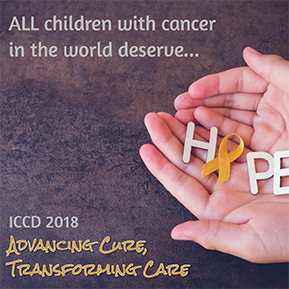
Hope Hands ICCD 2018_ FB Image LR copyFOR IMMEDIATE RELEASE – February 15, 2018 – Beltsville, MD – (ICCD) is celebrated around the world each year on February 15th. Originally commemorated in 2002, ICCD is day founded by Childhood Cancer International (CCI), a global network of 188-member organizations in 96 countries. Childhood Cancer International, along with the American Childhood Cancer Organization (ACCO), is committed to working collaboratively towards advancing cures, transforming care, and instilling hope for all children and adolescents diagnosed with cancer in the world, wherever they may live.

Sadly, childhood cancer continues to be the leading cause of non-communicable related death in children throughout the world. Globally, more than 300,000 children are diagnosed with cancer each year, including nearly 16,000 in the United States. Approximately 80 percent of our world’s children with cancer live in low-middle-income countries (LMICs) where more than 80 percent of these children die of their disease. In developed countries like the United States, Canada, the United Kingdom, Japan and others, more than 80 percent of children survive cancer with hope to live productive and meaningful lives.

The global coalition believes all children deserve hope for a cure – no matter where they live – not more excuses. We can no longer sweep this issue “under the rug.” Children are the future of our country and our world. Their vitality is the heartbeat of the world, a shared passion that can unite us because our future as a global community depends on it. Ruth Hoffman, CEO of ACCO as well as President of CCI says, “ACCO is so proud to provide the U.S. based voice in advocating for all children, no matter where they live.”

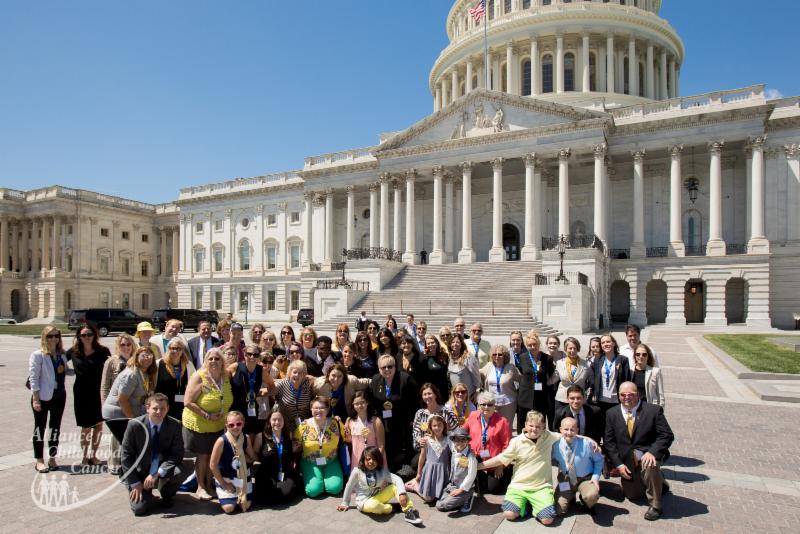
In the United States events will be taking place across the country commemorating the day, including an event in Kentucky in which Governor Matt Bevin will be speaking at a rally celebrating first time state level funding for childhood cancer research. Specially designed t-shirts including over 7,000 names of children diagnosed with cancer have also been sold across the country in their honor and memory.

The American Childhood Cancer Organization was founded in Washington, D.C. in 1970 by parents of children and adolescents diagnosed with cancer and is dedicated to shaping policy, supporting research, raising awareness, and providing educational resources and innovative programs to children with cancer, survivors, and their families. For more information please visit acco.org.

# # #


Causes, Risk Factors, and Prevention of Childhood Brain and Spinal Cord Tumors

What causes brain and spinal cord tumors in children?

06172016 (3)Generally speaking, “cancer” is a broad name for a condition in which cells in a particular part of the body begin to malfunction. They begin to grow, divide, and replicate more quickly than normal cells, and/or they do not die as normal when they are worn out or damaged. When these abnormal, or “cancerous”, cells originate in the brain or the spinal cord, they usually form a clump or a mass known as a tumor. As the cancerous cells continue to replicate, the tumor grows until it begins to cause damage to the brain and/or the spinal cord.

Scientists are still trying to learn exactly why some cells grow, function, and die normally, while others grow abnormally and develop into a brain or spinal cord tumor. Brain and spinal cord tumors are most likely caused by mutations (random changes) in the DNA within each cell (our DNA provides instructions governing the function of each cell in our body, and ultimately how our body looks and functions as a whole). Specifically, scientists believe that mutations to two specific types of genes may be the ultimate cause of brain and spinal cord tumors in children: oncogenes control when cells grow and divide and tumor suppressor genes slow down cell division and instruct cells to die at the proper time. Whether inherited from parents or spontaneous and random, mutations to these particular genes may cause cells to malfunction and ultimately become cancerous.

Ultimately, however, scientists do not know why these mutations occur, especially in children. While lifestyle choices such as smoking can cause genetic mutations (and thus cancer) in adults, there are no known lifestyle risks associated with childhood brain and spinal cord tumors in children. Unfortunately, the genetic mutations at the root of the tumor growth are simply random changes that cannot be predicted or prevented.

Are there risk factors for brain and spinal cord tumors in children?

A “risk factor” is anything that increases an individual’s chances of developing a disease like a brain or spinal cord tumor. As noted above, most cases of brain and spinal cord tumors in children appear to be caused by random genetic mutations without a known cause. There are very few known risk factors associated with this type of childhood cancer. The only two well-established risk factors are radiation exposure and certain rare inherited genetic conditions.

  • Radiation exposure: exposure to large amounts of radiation is known to cause some types of cancer, including brain and spinal cord tumors in children. Now that this danger is known, the medical community takes active steps to avoid exposing the brain and central nervous system of children to radiation unless absolutely necessary. In some cases, radiation may be required as part of treatment for another type of cancer; in these cases, the benefits of treating one type of cancer must be weighed against the potential risk of developing a brain or spinal cord tumor in the future.
  • Inherited genetic conditions: in less than 5% of cases of childhood brain and spinal cord tumors, children have an inherited genetic condition that may increase their risk of developing a tumor. These genetic syndromes themselves are exceedingly rare, and may include:
  • Neurofibromatosis type 1 (von Recklinghausen disease)
  • Neurofibromatosis type 2
  • Tuberous sclerosis
  • Von Hippel-Lindau disease
  • Li-Fraumeni syndrome
  • Gorlin syndrome (basal cell nevus syndrome)
  • Turcot syndrome
  • Cowden syndrome
  • Hereditary retinoblastoma
  • Rubinstein-Taybi syndrome

Can the development of brain and spinal cord tumors in children be prevented?

Can the development of brain and/or spinal cord tumors in children be prevented? This is a question many parents will ask themselves upon receiving the terrible diagnosis that their child has a brain or spinal cord tumor. The answer is always “no”. There is no known way to prevent or protect against brain or spinal cord tumors, and absolutely nothing that parents or guardians could have done to prevent this disease.

More about Childhood Brain Tumor Cancers:

Learn More About the Different Types of Childhood Cancers:

About American Childhood Cancer Organization

American Childhood Cancer Organization (ACCO) is a non-profit charity dedicated to helping kids with cancer and their families navigate the difficult journey from cancer diagnosis through survivorship. Internationally, ACCO is the sole U.S. member of Childhood Cancer International (CCI), the largest patient-support organization for childhood cancer in the world. Here in the United States, ACCO promotes the critical importance of ensuring continued funding into new and better treatment protocols for childhood cancer.  And most importantly, ACCO is focused on the children: developing and providing educational tools for children fighting cancer and their families, empowering them in their understanding of childhood cancer and the medical decisions they must make during this difficult journey. All of ACCO’s resources are available free of charge for families coping with childhood cancer.


For additional information about childhood cancer or on ACCO, or to order resources for you or your child, please visit our website at www.acco.org.


For additional information about childhood cancer or on the ACCO, or to order resources for you or your child, please visit our website at www.acco.org , call 855.858.2226 or visit:

Childhood Brain and Spinal Cord Cancer Tumors – Detection and Diagnosis

Childhood Brain and Spinal Cord Tumors: A Brief Introduction

child Brain TumorsWhen grouped together in a single classification, cancers in the brain and spinal cord are the second most common form of cancer in children after childhood leukemia, with more than 4,000 new diagnoses every year. However, it is important to recognize that this is a very broad classification: in fact, there are many different types of brain and spinal cord cancers, each of which can cause different symptoms and each of which may require a unique treatment approach. It is also important to note at the outset of any discussion about cancers of the brain and spinal cord that, unlike in other areas of the body, oncologists do not differentiate between benign (non-cancerous) and malignant (cancerous) tumors in the central nervous system. Both types of tumors can be life-threatening if not treated. For this reason, oncologists usually refer to “brain tumors” instead of “brain cancers”.

Childhood Brain and Spinal Cord Tumors: Detection Through Common Signs and Symptoms

As with all childhood cancers, there is no “early detection” screening process for tumors of the central nervous system. Diagnosis usually comes after parents begin to observe unusual medical symptoms. Most symptoms of brain and spinal cord tumors are caused by the tumor raising the pressure inside the brain (known as intracranial pressure). The increase in intracranial pressure can lead to symptoms such as:

  • Headaches
  • Nausea and vomiting
  • Crossed eyes and/or blurred vision
  • Balance problems
  • Behavioral changes
  • Seizures
  • Drowsiness, potentially leading to coma

Of course, most of these symptoms are extremely common and are only rarely caused by a tumor. However, if symptoms continue over time or worsen, or in the case of seizures begin very suddenly, your pediatrician may recommend testing to properly diagnose the cause of the medical issue as quickly as possible.

Because the central nervous system controls the function of the entire body, the location of the tumor within the brain or spinal column may cause different types of symptoms:

  • Tumors in the cerebrum (large, outer part of the brain) can cause symptoms relating to the specific function controlled by the area of the cerebrum affected by the growth of the tumor, such as:
    • Tumors in the area of the cerebrum responsible for movement can lead to weakness or numbness in a specific part of the body, usually only on one side
    • Tumors in the area of the cerebrum responsible for language can cause speech or comprehension problems
    • Tumors at the front of the cerebrum can lead to issues with thinking, personality, and language skills
    • Tumors at the back of the cerebrum or near cranial nerves can cause issues with vision
  • Tumors in the cerebellum can cause symptoms relating to walking or other normal body functions
  • Tumors in the basal ganglia can cause unusual or abnormal body positions or movements
  • Tumors in cranial nerves (not those in the cerebrum) may cause loss of hearing, balance issues, weakness of facial muscles, or potentially trouble with swallowing
  • Tumors in the spinal cord may cause numbness, weakness, lack of coordination, and even bladder and/or bowel concerns

Childhood Brain and Spinal Cord Tumors: Diagnosis

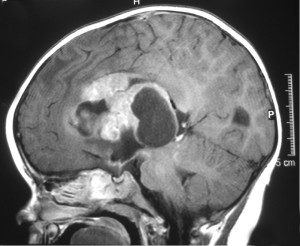
In most cases, the first step in diagnosing a brain or spinal column is an imaging test, most likely an MRI (magnetic resonance imaging). An MRI is able to create detailed images of the brain using a combination of radio waves and strong magnets; moreover, it does not involve the use of radiation, which can be extremely damaging to the brain tissue of young children. While not painful or physically invasive, an MRI can be a difficult test for some children. It can take a long time and often requires the patient to stay still in a confining tube for an extended period. Some children may require sedation or medication to help them relax in order to make this test less stressful.

Should the MRI or other imaging scan reveal a tumor, the next step is, when possible, to conduct a biopsy, in which some or all of the tumorous tissue is removed from the body and examined under a microscope. A biopsy may be done simultaneously with surgery to remove the entire tumor, or it may be done as a stand-alone procedure in order to determine next steps in treatment. In some cases, usually due to the location of the tumor in a sensitive or dangerous area of the brain or spinal cord, a physical biopsy may not be possible and diagnosis must be made on the basis of imaging alone.

Specific types of biopsies include:

  • Stereotactic needle biopsy: Guided by MRI or CT scans, the surgeon drills a very small hole into the skull precisely over the location of the tumor. A very small, hollow needle then withdraws a small part of the tumor. This approach is usually used to biopsy tumors in areas where surgery may be difficult or dangerous, but a sample of tissue is still required for precise diagnosis.
  • Craniotomy: If the surgical team believes that they can safely remove all or most of the tumor, a biopsy will be performed as the tumor is removed. Small samples of the tumor are examined immediately during the surgery to determine whether further surgery is required.
  • Lumbar puncture (spinal tap): This test is used to determine whether there are cancerous cells in the cerebrospinal fluid, or the fluid that surrounds the brain and spinal cord. The test involves removing some of the fluid through a small needle inserted between the bones of the spine.
  • Bone marrow aspiration and biopsy: This test may need to be done if it is believed the tumor has spread beyond the nervous system. During the aspiration, a small amount of liquid bone marrow is removed from a large bone, usually the hip bone, using a small, hollow needle. A biopsy involves removing a small piece of bone along with some of the marrow.

More about Childhood Brain Tumor Cancers:

More about Childhood Spinal Cord Tumor Cancers:

Learn More About the Different Types of Childhood Cancers:

About American Childhood Cancer Organization

American Childhood Cancer Organization (ACCO) is a non-profit charity dedicated to helping kids with cancer and their families navigate the difficult journey from cancer diagnosis through survivorship. Internationally, ACCO is the sole U.S. member of Childhood Cancer International (CCI), the largest patient-support organization for childhood cancer in the world. Here in the United States, ACCO promotes the critical importance of ensuring continued funding into new and better treatment protocols for childhood cancer.  And most importantly, ACCO is focused on the children: developing and providing educational tools for children fighting cancer and their families, empowering them in their understanding of childhood cancer and the medical decisions they must make during this difficult journey. All of ACCO’s resources are available free of charge for families coping with childhood cancer.

For additional information about childhood cancer or on the ACCO, or to order resources for you or your child, please visit our website at www.acco.org , call 855.858.2226 or visit:

Treatment for Childhood Leukemia

What is the Treatment for Childhood Leukemia?

The majority of children diagnosed with childhood leukemia will be treated with chemotherapy. Chemotherapy (often simply called “chemo” for short) involves targeting cancerous cells with specific drugs. The specific type of drugs, their dosages, and the duration of the treatment will be unique to each patient, depending on the type and classification of leukemia, the cancer’s classification of risk, and the specific needs of each child. Surgery and radiation are not commonly utilized in the treatment of childhood leukemia, although they may be required to address specific health issues in certain cases. Because chemotherapy can have significant short- and long-term health effects on childhood leukemia survivors, researchers are continuing to investigate new and less toxic treatments such as immunotherapy and targeted chemotherapy; however, these treatments are still in the research phase.

Because AML and ALL are the two most common types of childhood leukemia, this discussion will focus specifically on their treatment.

Chemotherapy for ALL

pediatric ChemotherapyTreatment for children with Acute lymphocytic leukemia (ALL) usually involves smaller dosages of chemotherapy but spread over a period of two-to-three years (boys often receive treatment for longer than girls, due to a higher risk of recurrence). For most children with ALL, chemotherapy will involve three distinct phases:

  • Induction: The goal of induction is to kill 99% of existing cancer cells and achieve “remission”, in which no cancer cells are found in the bone marrow and blood counts return to normal (this is not, however, the same as a “cure”). Induction usually lasts about one month and is extremely intense, requiring prolonged hospital stays and frequent visits to the doctor. Induction almost always includes intrathecal chemotherapy, in which the chemotherapy is targeted at the cerebrospinal fluid to kill any cancer cells that may have spread to the brain and/or spinal column.
  • Consolidation (intensification): This phase usually lasts for 1-2 months and is designed to reduce the number of cancer cells remaining in the body, as well as fight the potential for drug resistance among those cancer cells. This phase is also highly intense (often more so than induction).
  • Maintenance: About 95% of children with ALL will achieve remission after induction and consolidation. For these children, an additional 2 years of so-called maintenance chemotherapy will help prevent the disease from recurring. Maintenance is much less intensive, and usually involves the administration of chemotherapy for brief periods every 4-8 weeks. The early part of maintenance may involve 1-2 months of intensified treatments called re-induction or delayed intensification.

Chemotherapy for AML

Chemotherapy for AML is more intensive, involving higher dosages of treatment drugs but over a shorter duration. Chemotherapy for AML includes an induction phase and a consolidation (intensification) phase, but usually lacks a maintenance phase.

  • Induction: Induction for AML usually involves the administration of drugs for several days in a row, with treatments scheduled every 10-14 days. Less time between treatments is generally more effective but can lead to more severe side effects. Each treatment plan will depend on the child’s unique disease progression and their reaction to the chemotherapy. Treatment will continue until the bone marrow is clear of leukemia cells, usually after 2-3 treatment cycles. As with ALL, treatment usually involves intrathecal chemotherapy as well.
  • Consolidation (intensification): Between 85-90% of children with AML will achieve remission after the induction phase. Consolidation usually involves several more months of intensive chemotherapy, as well as intrathecal chemotherapy. In some cases, a stem cell transplant from a sibling may be appropriate as well, especially for children with high risk AML.

Although the duration of treatment is shorter for AML, it requires extensive supportive care and attention to ancillary issues such as nutrition, medication, and blood transfusions to cope with the more severe side effects, including (but not limited to) damage to the bone marrow responsible for creating new blood cells.

More about Childhood Leukemia Cancers:

Learn More About the Different Types of Childhood Cancers:

About American Childhood Cancer Organization

American Childhood Cancer Organization (ACCO) is a non-profit charity dedicated to helping kids with cancer and their families navigate the difficult journey from cancer diagnosis through survivorship. Internationally, ACCO is the sole U.S. member of Childhood Cancer International (CCI), the largest patient-support organization for childhood cancer in the world. Here in the United States, ACCO promotes the critical importance of ensuring continued funding into new and better treatment protocols for childhood cancer.  And most importantly, ACCO is focused on the children: developing and providing educational tools for children fighting cancer and their families, empowering them in their understanding of childhood cancer and the medical decisions they must make during this difficult journey. All of ACCO’s resources are available free of charge for families coping with childhood cancer.


For additional information about childhood cancer or on the ACCO, or to order resources for you or your child, please visit our website at www.acco.org , call 855.858.2226 or visit:

Signs and Symptoms of Childhood Leukemia

About Childhood Leukemia (ALL & AML)

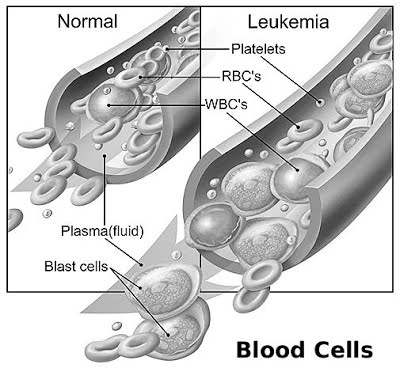
leukemiaChildhood leukemia—a blood-based cancer in which abnormal cancer cells grow in the bone marrow—is the most common type of childhood cancer, accounting for almost one-third of all childhood cancer diagnoses. There are three different types of childhood leukemia. The most common type—Acute lymphocytic (lymphoblastic) leukemia, or ALL, accounts for approximately 3 out of 4 cases of childhood leukemia. ALL stems from abnormal cells growth in immature lymphocytes, the white blood cells that help the body fight infection. Acute myelogenous leukemia (AML) accounts for about one out of four cases of childhood leukemia. AML begins with abnormal growth of myeloid cells, which are responsible for the development of non-lymphocytic white blood cells, red blood cells, and platelets. A third type of childhood leukemia—Juvenile myelomonocytic leukemia (JMML)—is extremely rare. Like AML, it develops in the myeloid cells. It is acute (quickly growing) but it does not develop and spread as quickly as AML or ALL.

Symptoms of Childhood Leukemia

Childhood leukemia begins in the bone marrow (the soft core within the bone responsible for the development of blood cells, including red blood cells, white blood cells, and platelets), quickly spreading into the blood stream and potentially crowding out healthy cells our body needs to properly function. Once in the blood stream, cancer cells begin to travel throughout the body and can impact the health of other organs. The symptoms of leukemia often depend on the type of blood cell impacted by the cancer, and whether the cancer has begun to impact other organs.

Red blood cells: Red blood cells are responsible for carrying oxygen from the lungs to every cell in the body. If childhood leukemia has caused a shortage of healthy red blood cells, symptoms can include:

  • Unusually pale skin
  • Fatigue
  • Weakness
  • Shortness of breath
  • Headaches
  • An unusual sensation of cold
  • Feeling lightheaded or dizzy

White blood cells: White blood cells help the body fight off illness caused by viruses and/or bacteria. If childhood leukemia has caused a shortage of white blood cells, or prevents the white blood cells from functioning properly, your child may not be able to fight infection properly. Recurring infections or infections that won’t go away even with medical intervention may indicate the presence of leukemia. Fever is usually the main indicator of an infection.

Platelets: Platelets are responsible for helping create blood clots in order to control and stop bleeding. If childhood leukemia has caused a shortage of platelets, symptoms can include:

  • Easy and frequent bruising
  • Easy bleeding
  • Frequent and/or severe nosebleeds
  • Bleeding gums

As childhood leukemia spreads from the blood stream into various other organs of the body, it can cause symptoms relating to specific organs, including:

  • Bone or joint pain
  • Swollen lymph nodes
  • Swelling in the abdomen caused by the build-up of cancer cells in the liver and/or spleen
  • Weight loss/loss of appetite caused by swelling abdominal organs pressing on the stomach
  • Coughing or trouble breathing caused by the build-up of cancer cells near or in the lungs
  • Headaches, seizures, vomiting, loss of balance, and blurred vision could be indications that leukemia cells have begun to accumulate in the brain and spinal cord
  • Swelling of the face and arms—SVC syndrome—a potentially very serious symptom caused by the build-up of cancer cells in the thymus, leading to pressure on the blood vessel moving blood between the head and arms
  • Symptoms more common in children with AML include skin rashes, gum problems (swelling, pain, and bleeding), extreme weakness, extreme tiredness, and slurring of speech

With the exception of serious symptoms such as SVC syndrome and the extreme fatigue and weakness sometimes (although rarely) seen in patients with AML, the most common symptoms of childhood leukemia are also symptoms of many routine childhood illness. Childhood leukemia is a very rare disease, and the presence of one or more of these symptoms does not mean that your child has leukemia. However, it is important to have your child examined by a pediatrician, who will suggest additional diagnostic testing if he or she suspects that the symptoms may be related to childhood leukemia.

Request for free resources here.

resourcebutton2

More about Childhood Leukemia Cancers:

Gold Ribbon Hero – Kendra Sparby

Introducing ACCO Gold Ribbon Hero, Ms. Kendra Sparby

KendraSparbyToday’s Gold Ribbon Hero is Ms. Kendra Sparby, an outstanding young woman from Minnesota committed to making a difference in the lives of children battling childhood cancer! A recent high school graduate and incoming freshman at the University of Minnesota Duluth, Ms. Sparby has been actively advocating on behalf of American Childhood Cancer Organization and kids with cancer for several years now, hosting numerous PJammin® parties at local schools, selling ACCO PediCURE kits, and raising money online in support of ACCO’s mission to develop and provide, free of charge, educational resources and learning tools to families facing a childhood cancer diagnosis.

Many of our Gold Ribbon Heroes are the courageous and amazing kids fighting childhood cancer and the late effects that impact the lives of all-too-many childhood cancer survivors. Yet it is so important to highlight and celebrate Heroes like Kendra, who volunteer their time and energy to improve the lives of kids with cancer. If you would like to nominate a Gold Ribbon Hero in your life—someone who has gone out of their way to help, support, and/or advocate for children with cancer in your community—please visit ACCO’s website to complete a nomination form.

Why Childhood Cancer?

Kendra’s drive to advocate for kids with cancer began in middle school when her friend Grace Woods was diagnosed with cancer in seventh grade. To support Grace during her fight against cancer, Kendra began selling t-shirts at local high school football games. Unfortunately, Grace lost her fight with cancer on September 4, 2015 at the age of 16. Yet Kendra’s determination to honor Grace’s memory and continue fighting on behalf of all kids with cancer only grew stronger!

As an advocate and ambassador for ACCO, Kendra now travels to local schools to host PJammin® events and mini-class PJammin® parties. A signature fundraising mechanism for ACCO, these events also serve to teach kids and adults alike about the impact of childhood cancer on families facing this terrible disease. For instance, participants in PJammin® events wear PJs to symbolize the days, weeks, and even months that kids battling cancer spend in hospital wards wearing PJs or hospital gowns. In addition to hosting PJammin® events, Kendra has sold more than 80 PediCURE kits. Kendra’s other fundraising initiatives include a 12-12-12 Challenge which encourages participants to participate in 12 days of physical activity (with 12 exercises each day) OR donate $12 to ACCO, or even do both to honor the 12,000 children who lose their lives to cancer every year.

In 2016, Kendra raised $1,100 for ACCO and she is hoping to raise a similar amount this year. And she is well on her way to achieving this incredible goal: since February, she has already raised $980! If you would like to make a donation to Kendra’s fundraiser, we invite you to do through her fundraising page at https://give.acco.org/campaign/kendra-sparby/c122630.

About Kendra

Kendra graduated from high school in May 2017 and will attend the University of Minnesota Duluth in the fall, where she hopes to major in biology. She is an active and talented figure skater, and is a double gold medalist with the US Figure Skating Association. She hopes to compete as part of the University of Minnesota’s synchronized skating team.

Kendra is also a successful participant in the Miss America Organization. As the 2016 Miss Heart of the Lakes Outstanding Teen, she placed in the top five in this year’s Miss Minnesota pageant! This is the culmination of a very successful pageant career, having previously won Miss Princess Altona in 2013, Miss Moorhead’s Outstanding Teen in 2014, and Miss Heart of the Lakes Outstanding Teen in 2015. Kendra has used her success in the Miss America Organization to highlight the critical need to raise awareness about childhood cancer and advocate on behalf of children fighting cancer across the country.

We would like to take this opportunity to thank Kendra for her amazing work on behalf of ACCO and kids with cancer!

About American Childhood Cancer Organization

American Childhood Cancer Organization (ACCO) is a non-profit charity dedicated to helping kids with cancer and their families navigate the difficult journey from cancer diagnosis through survivorship. Internationally, ACCO is the sole U.S. member of Childhood Cancer International (CCI), the largest patient-support organization for childhood cancer in the world. Here in the United States, ACCO promotes the critical importance of ensuring continued funding into new and better treatment protocols for childhood cancer. And most importantly, ACCO is focused on the children: developing and providing educational tools for children fighting cancer and their families, empowering them in their understanding of childhood cancer and the medical decisions they must make during this difficult journey. All of ACCO’s resources are available free of charge for families coping with childhood cancer.

For additional information about childhood cancer or on ACCO, or to order resources for you or your child, please visit our website at www.acco.org.

Gold Ribbon Hero Korbyn M

Incredible Strength and Courage

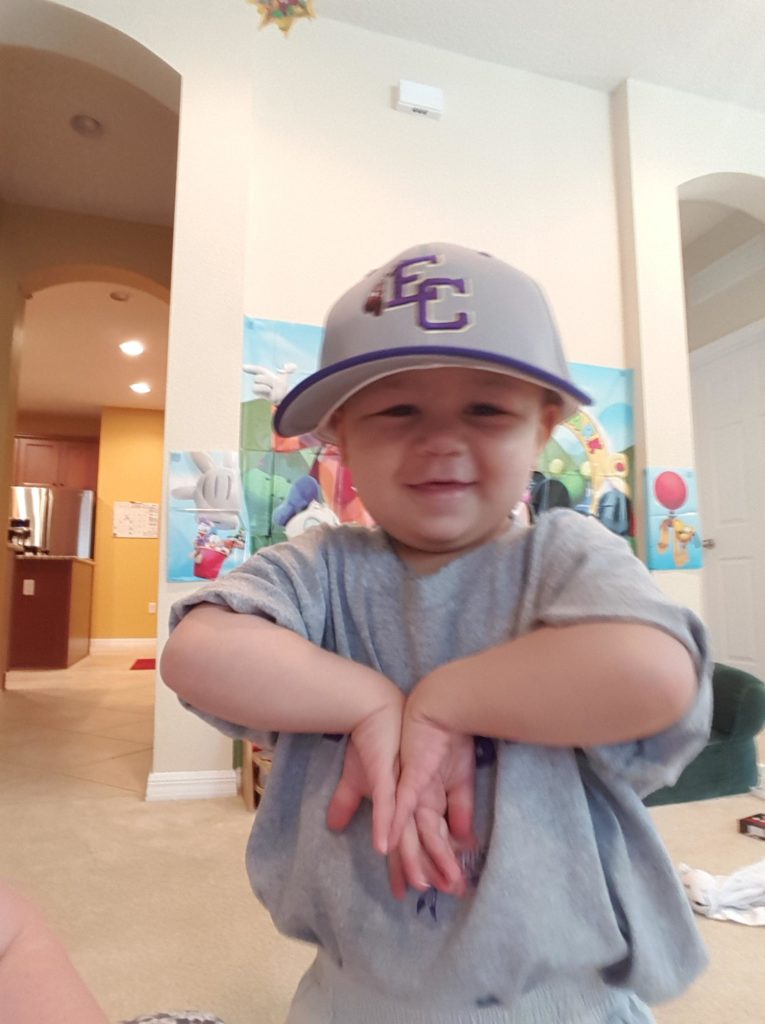
“Reason this person is a Gold Ribbon Hero: I think my grandson is a Gold Ribbon Hero because from the time he was diagnosed with high risk ALL at 9 months until present day, 32 months old, Korbyn has displayed incredible strength and courage. As his grandmother, I am amazed how he has endured the treatments he has received – countless rounds of chemo, clinical trial chemo, weekly central lines bandage changes, radiation and a bone marrow transplant. Sadly, none of this treatment has kept Korbyn’s cancer away. We are all thankful Korbyn was accepted for a clinical trial at CHOP for CAR T cell therapy. Korbyn and his parents will travel from their Oviedo, FL home to Pennsylvania in July and will be there for 6 weeks for treatment. Korbyn never met a stranger and puts a smile on the nurses, techs, doctors faces day in and day out. There is nothing sweeter then his smiling face, blowing kisses and giving bear hugs, never waivering his dynamic personality. I tell anyone who will listen, Korbyn is my hero. We would love for you to follow Korbyn on this next adventure on his facebook page, KORBYNS KOURAGE. Please feel free to share and follow.” – Cindy R.

korbyn-in-ec-hat

Washington Post: Parents of sick kids try to remind Congress what the health-care debate should be about

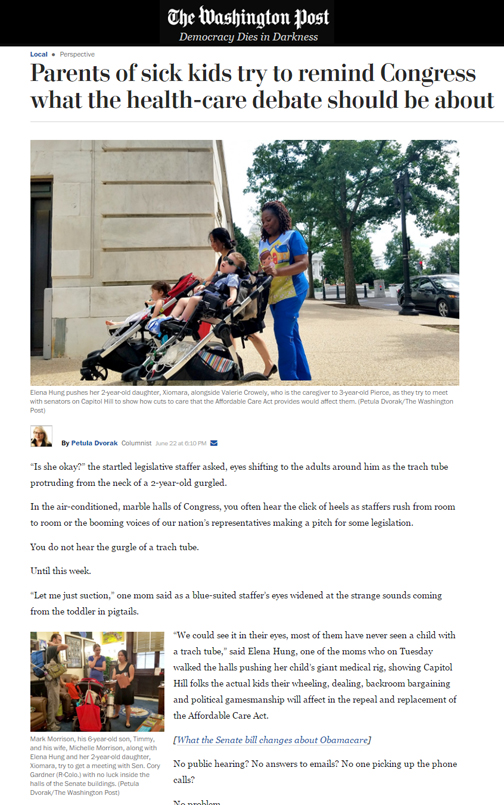
Washington post sick kids try to remind Congress what the health-care debate“Is she okay?” the startled legislative staffer asked, eyes shifting to the adults around him as the trach tube protruding from the neck of a 2-year-old gurgled.In the air-conditioned, marble halls of Congress, you often hear the click of heels as staffers rush from room to room or the booming voices of our nation’s representatives making a pitch for some legislation. You do not hear the gurgle of a trach tube. Until this week. “Let me just suction,” one mom said as a blue-suited staffer’s eyes widened at the strange sounds coming from the toddler in pigtails. “We could see it in their eyes, most of them have never seen a child with a trach tube,” said Elena Hung, one of the moms who on Tuesday walked the halls pushing her child’s giant medical rig, showing Capitol Hill folks the actual kids their wheeling, dealing, backroom bargaining and political gamesmanship will affect in the repeal and replacement of the Affordable Care Act.

Read more.

URGENT – TAKE ACTION – TELL YOUR U.S. SENATORS TO KEEP CHILDREN WITH CANCER COVERED!

URGENT - TAKE ACTION - TELL YOUR U.S. SENATORS TO KEEP CHILDREN WITH CANCER COVERED!

#KeepUsCovered – Keep Children with Cancer Covered

Take action now using the quick and easy link below and let your U.S. Senators know the healthcare bill proposed yesterday will threaten the lives of children battling cancer. One-third of all children diagnosed with cancer depend on Medicaid. Two-thirds who survive will experience late effects as a result of their cancer diagnosis and initial treatment. Survivors should not be discriminated against receiving long term health care because of their pre-existing cancer condition.

To TAKE ACTION, please CLICK HERE and follow the steps.

TAKE ACTION BUTTON FLOATING

**THEN PLEASE SHARE THIS POST**

ACTION ITEM DETAILS

Tell your U.S. Senators to ensure the proposed healthcare bill includes critical patient protection provisions on gap coverage and pre-existing conditions, maintains the Medicaid safety net for children with cancer, and reduces out-of-pocket costs or VOTE ‘NO’. They must not accept a healthcare bill that will threaten the lives of these precious children.

Thank you for your help protecting our nation’s childhood cancer warriors! …because kids can’t fight cancer alone!®

Take action now using the quick and easy form below and let your U.S. Senators know the healthcare bill proposed today will threaten the lives of children battling cancer. One-third of all children battling cancer depend on Medicaid. Children and families affected by childhood cancer have gone through enough without the threat of losing coverage for the medical treatments required to save their lives.

The American Childhood Cancer Organization (ACCO), founded in 1970, is the largest grassroots childhood cancer non-profit in the U.S. On behalf of the hundreds of thousands of childhood cancer families, patients and survivors represented, we ask that you join us in urging the U.S. Senate to amend their healthcare policy to ensure affordable, accessible, and quality healthcare for our nation’s littlest cancer patients  — or vote “NO” when the new healthcare bill comes for a vote in the next few days.

MEDICAID QUALITY AND ACCESS FOR CANCER PATIENTS JEOPARDIZED

Research conducted by ACCO over a span of more than 10 years confirms that approximately one-third of all children treated for cancer in the U.S. relied on Medicaid for their insurance coverage. If a healthcare bill is enacted as passed by the U.S. House of Representatives (the American Health Care Act), the Congressional Budget Office (CBO) May 24, 2017 brief predicts Medicaid funding will be cut by a resounding $880 billion over the next 10 years, out-of-pockets costs including copays, premiums and deductibles will rise, and the number of uninsured individuals including children will increase.

PATIENT PROTECTION PROVISIONS AND ESSENTIAL HEALTH BENEFITS MAY BE WAIVED

Surveys conducted with families of children with cancer and childhood cancer survivors continue to tell us patient protection provisions matter. We are very concerned that under the healthcare bill key patient protection provisions are in jeopardy.  Key survey data included:

  • 9 out of 10 respondents believe the prohibition on lifetime and annual caps on coverage is important;
  • 9 out of 10 respondents believe that the prohibition on preventing denial of coverage for preexisting health conditions is important;
  • 7 out of 10 respondents believe that it is important for dependent children to receive healthcare coverage until the age of 26.

As the CBO summarized, the AHCA version passed by the House currently falls short in ensuring that patients and survivors (including childhood cancer patients and survivors) will be able to access affordable health care insurance that will provide them with the quality care needed to treat and cure their cancer diagnosis.

Under the current plan, states could allow pre-existing condition exclusions by applying for a federal waiver allowing insurance plans to medically underwrite people who experience a gap in coverage of more than 63 days. ACCO’s research shows that approximately 45% of families of children with cancer will face a potential gap in coverage as one parent often must stop working or cut their work by 50% in order to care for their child.

Maintaining essential health benefits for our country’s sickest and smallest citizens is critical. However, in addition to the waiver allowing medical underwriting for people experiencing gaps in coverage, the proposed healthcare bill also allows states to waive these essential benefits insurers are currently required to provide allowing them to potentially opt out of the most expensive services our sickest patients need. The proposed law also allows lifetime and annual limits on services to be imposed; pricing children and families out of life-saving treatments and into financial turmoil and even bankruptcy.

Our families have indicated that even with current coverage, caring for a child with cancer has long-lasting financial devastation on the family. Twenty-four percent of respondents noted annual out-of-pocket costs of cancer treatment for their child was between $5,000 and $10,000, while 18% stated they had incurred more than $10,000 in out-of-pocket expenses each year. Nearly 40% of respondents indicated their family incurred “considerable” debt as a result of their child/teen’s cancer diagnosis, with an additional 14% rating the debt as “severe.”

SUMMARY

In summary, we believe the following changes must be made to the healthcare bill:

  • The reduction in funding of the Medicaid program must be eliminated to ensure ongoing coverage and reduction of out-of-pocket costs associates with copays, deductibles, and premiums for the one-third of childhood cancer patients who depend on Medicaid for a cure of their disease.
  • Patient protection provisions ensuring patients can obtain affordable coverage after a lapse or gap must be included.
  • Insurers must be required to continue to provide essential health benefits to childhood cancer patients without lifetime and annual limits on services.

Unless the above amendments can be made, we are urging all Senators to vote “NO“.

Congress Building Logo

Treating Childhood Hodgkin Lymphoma Disease

Treating Childhood Hodgkin Lymphoma

i-KVDjmX3Childhood Hodgkin lymphoma has proven to be particularly sensitive to both chemotherapy and radiation therapy. Therefore, for most children diagnosed with this type of childhood cancer, treatment will likely involve some combination of both modalities. Surgery is rarely ever used to remove Hodgkin lymphoma tumors, although surgical procedures may be required to facilitate chemotherapy and radiation therapy protocols. The exception to this general rule may be found in the treatment of some cases of localized lymphocyte-predominant Hodgkin lymphoma, where surgery may prove a more effective course of treatment than chemotherapy and/or radiation.

Both chemotherapy and radiation therapy can have severe and long-lasting health effects (so-called “late effects”). Therefore, the goal of your child’s treatment plan will be to attempt to create a delicate balance between enough treatment to eliminate the cancer and prevent the growth of new cancer cells and minimizing both short- and long-term damage to your child’s growing body. Moreover, the oncology team will also consider your child’s age and medical history, as well as the “stage” of the disease (how far the disease has progressed and spread from the site of the original tumor), whether diagnosis occurred with so-called “B” symptoms (fever, night sweats, and/or unexplained weight loss), and an assessment of risk.

Thus, the description of treatment options below are generalized and for informational purposes only; your child’s treatment course, including intensity and duration, will likely be a unique combination of these or other options depending on the unique factors in your child’s case.

Chemotherapy for Childhood Hodgkin Lymphoma

Chemotherapy involves targeting cancer cells with toxic drugs designed to kill the cells as they replicate and divide. Because cancer cells grow, replicate, and divide more quickly than normal, non-diseased cells, they are more susceptible to the harmful effects of the drugs than are healthy cells. Still, healthy cells are affected by chemotherapy as well, leading to both short- and long-term health effects. Moreover, different types of chemotherapy agents can have different types of short- and long-term health effects. Therefore, your child’s chemotherapy protocol will likely involve a combination of different drugs given in as low dosages as possible.

Most chemotherapy protocols for childhood Hodgkin lymphoma will involve some unique mixture of three standardized drug combinations:

  • ABVD (the most common treatment protocol for adult Hodgkin lymphoma):
  • Adriamycin® (doxorubicin)
  • Bleomycin
  • Vinblastine
  • Dacarbazine (DTIC)


  • BEACOPP
  • Bleomycin
  • Etoposide (VP-16)
  • Adriamycin (doxorubicin)
  • Cyclophosphamide (Cytoxan®)
  • Oncovin® (vincristine)
  • Procarbazine
  • Prednisone


  • Stanford V
  • Doxorubicin (Adriamycin)
  • Mechlorethamine (nitrogen mustard)
  • Vincristine
  • Vinblastine
  • Bleomycin
  • Etoposide
  • Prednisone


Radiation Therapy

Radiation therapy works by targeting cancer cells with high-energy beams, usually composed of x-rays or protons. The beams of energy damage the DNA inside the cancer cells and prevent it from replicating itself. In most cases of childhood Hodgkin lymphoma, the preferred method of treatment is a combination approach incorporating both radiation therapy and chemotherapy. By combining both treatment modalities, the goal is to effectively reduce the size of the tumor and prevent the growth of new cancer cells while minimizing the risk of both short- and long-term side effects.

As with chemotherapy, radiation damages healthy cells as well as cancerous cells. For young adults who are past puberty and have stopped growing, radiation therapy may play a more substantial role in treatment for childhood Hodgkin lymphoma than chemotherapy. However, because the bodies of younger children are still growing and developing, the risk of long-term damage from radiation therapy is greater. Therefore, chemotherapy is the preferred method of treatment, with radiation generally used as a supplemental treatment designed to prevent the cancer from recurring.

About American Childhood Cancer Organization

American Childhood Cancer Organization (ACCO) is a non-profit charity dedicated to helping kids with cancer and their families navigate the difficult journey from cancer diagnosis through survivorship. Internationally, ACCO is the sole U.S. member of Childhood Cancer International (CCI), the largest patient-support organization for childhood cancer in the world. Here in the United States, ACCO promotes the critical importance of ensuring continued funding into new and better treatment protocols for childhood cancer.  And most importantly, ACCO is focused on the children: developing and providing educational tools for children fighting cancer and their families, empowering them in their understanding of childhood cancer and the medical decisions they must make during this difficult journey. All of ACCO’s resources are available free of charge for families coping with childhood cancer.

For additional information about childhood cancer or on the ACCO, or to order resources for you or your child, please visit our website at www.acco.org , call 855.858.2226 or visit: